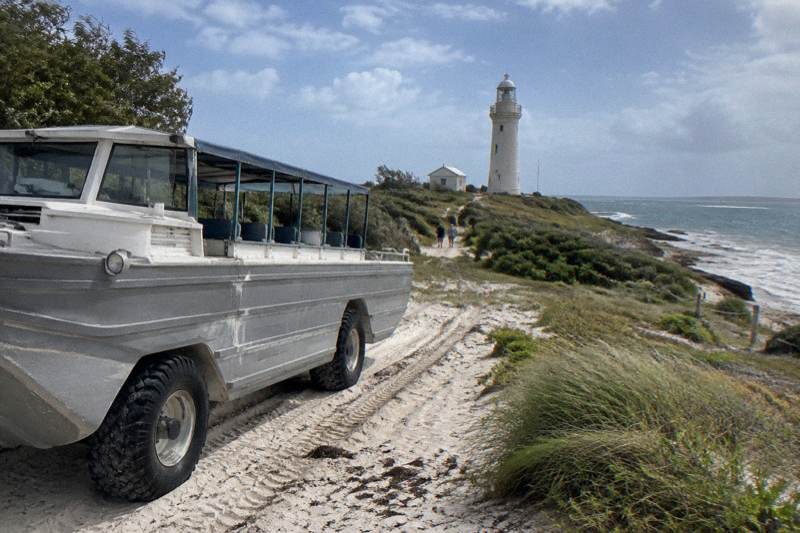
What To Wear On A 1770 LARC Tour?
A LARC tour is part boat ride, part beach drive and part walk, and what you wear has to work for all three. Here is how to dress for sandboarding, the lighthouse stairs and a swim at Middle Island.
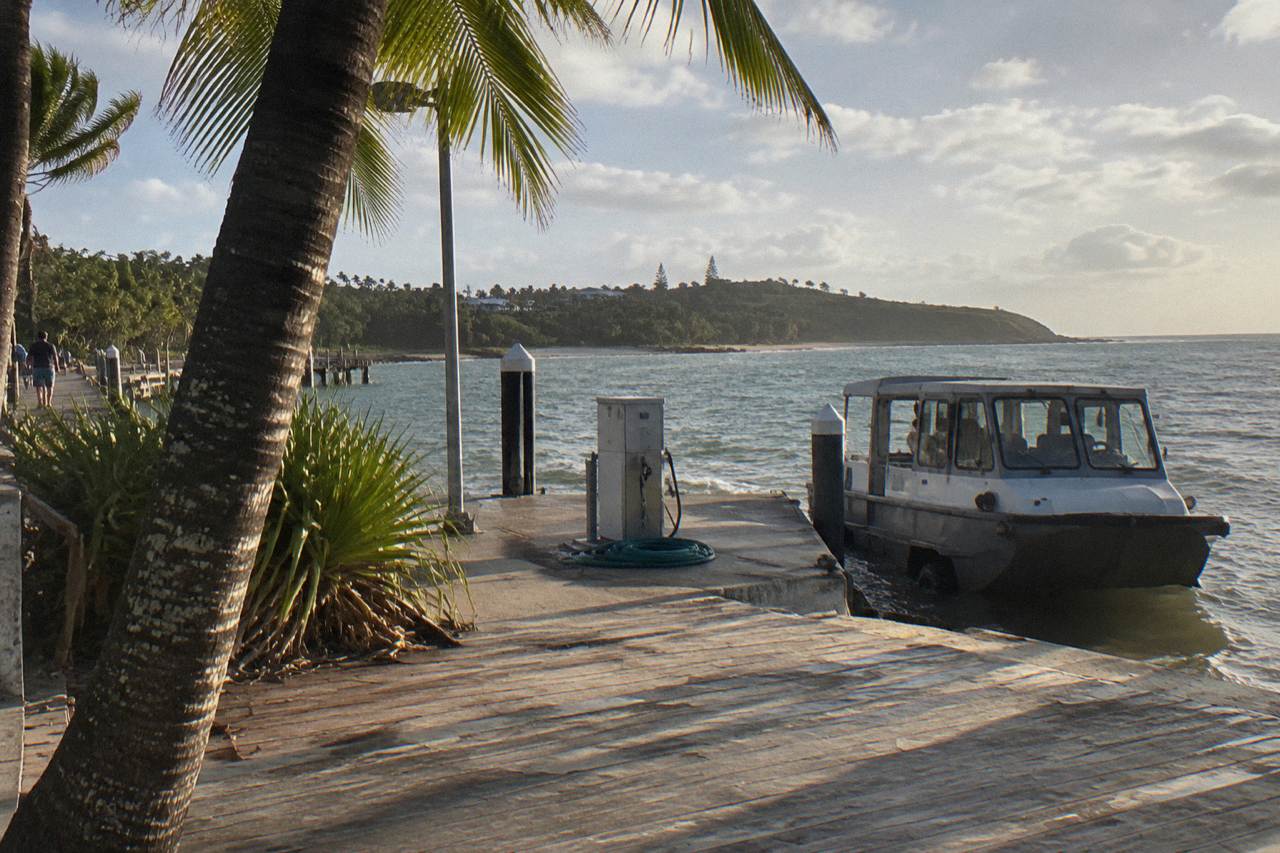
Wear quick-dry clothing you can move in, flat enclosed shoes that can get sandy and wet, a hat that secures firmly, sunglasses and sunscreen, and bring swimwear plus a towel because the full-day Paradise Tour includes a swim and sandboarding on the Middle Island dunes. A light layer helps in winter, when mean minimums at Seventeen Seventy sit near 14 degrees.
The honest starting point is what the operators actually say, and on the clothing question they say very little. None of the three 1770 LARC! Tours products lists a dress code, so everything here is practical advice built from what the tours physically involve rather than operator instructions. The full-day Paradise Tour with Bustard Head and sandboarding runs 7 hours, costs from $118 per person and rates 5.0 across 615 reviews, making it the most reviewed tour you can book through 1770 Cruises. The one-hour Afternoon Cruise costs from $31.61, and the two-hour Coastline Tour with picnic lunch from $61.11. Same vessel family, same departure point at the 1770 marina in the Town of 1770, but three very different days.
That difference matters for your clothing decisions. A one-hour cruise through Bustard Bay and Round Hill Creek asks almost nothing of your outfit: sit, look, listen to the commentary, done. The Paradise Tour is a different animal. It runs along the edge of Eurimbula National Park, over sandy beaches and across four tidal creeks, with a 4WD climb up Bustard Headland, a walk to a lighthouse balcony up tower stairs, a cemetery path, an optional forest walk, and a crossing of tidal Jenny Lind Creek to the 35 metre dunes of Middle Island for sandboarding and a swim. That is a hiking-adjacent, water-adjacent, sand-saturated day, and it deserves real thought.
If you are still choosing which of the three trips fits your group, this comparison of the amphibious options covers the differences in length, price and inclusions in one place.
Each part of the day asks its own clothing question: the swim and sandboarding, footwear, the lighthouse stairs, what to pack beyond clothes, how the subtropical climate shifts through the year, and what changes if you are bringing children. Every climate figure below comes from the Bureau of Meteorology's averages table for its Seventeen Seventy station, and the wildlife and season advice comes from Queensland Government sources, not from guesswork.
What Should You Wear For Sandboarding And Swimming On Middle Island?
Bring swimwear worn under your clothes, a towel, a dry change of clothes for the ride back and something to sit on. Sandboarding equipment is included on the Paradise Tour, and the operator's itinerary includes a swim on Middle Island, so you will get wet and sandy in the same hour and then sit in a vehicle afterwards. A rash shirt beats bare shoulders.
The sandboarding stop is the part of the day people under-dress for. The tour involves crossing tidal Jenny Lind Creek to reach the 35 metre dunes of Middle Island, where sandboarding equipment is included and a swim is part of the itinerary. Two practical consequences follow. First, sand gets everywhere, and it gets there fast: between your toes, inside shoes, through loose-weave fabrics, into bags that do not close properly. Second, climbing a dune to ride down it is genuinely physical, and doing it in heavy denim or in a long dress that traps sand is miserable by the second run.
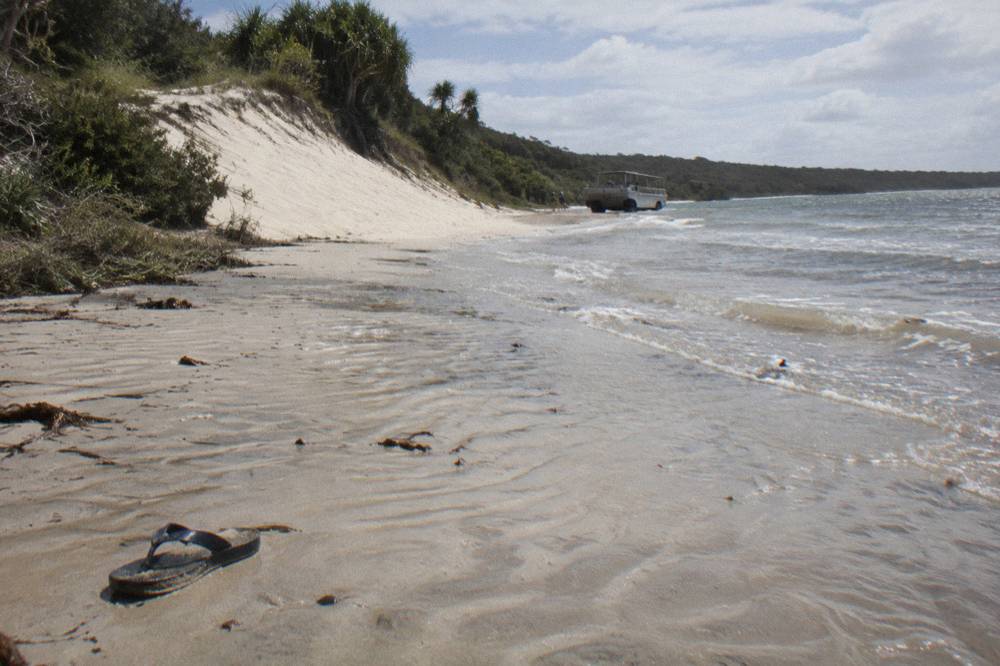
Quick-dry shorts or leggings and a t-shirt or rash shirt handle the whole sequence: creek crossing, dune, water, repeat. Swimwear worn underneath means you can swim without a full costume change, which matters because there is no changing room on a sand dune. A dry shirt in a sealed bag for afterwards is the single most underrated item on this trip; wet sandy cotton on a windy beach in July is colder than people expect, even with mean winter maximums around 21.5 degrees.
One thing you do not need to bring is the board. Sandboarding equipment is listed as included on the Paradise Tour, and it is the only one of the three LARC trips that includes it, along with the lighthouse visit and lunch. The Afternoon Cruise lists food and drinks as excluded, the Coastline Tour includes a picnic lunch, and neither includes a sand stop. Dress for sand only if you have booked the full day.
Wondering whether the full-day trip justifies the extra hours and dollars next to its shorter siblings? The seven-hour commitment, from $118 per person, is a different proposition from a one-hour $31.61 cruise, and the free-cancellation window on all three, up to 24 hours before start time, gives you room to change your mind.
What Shoes Work Best On A LARC Amphibious Tour?
Enclosed flat shoes that can get wet and sandy are the best choice for the Paradise Tour, because the day combines vehicle boarding, sandy beaches, four tidal creek crossings and tower stairs. For the one-hour Afternoon Cruise or two-hour Coastline Tour, the Coastline Tour stops for a beach picnic, so sand-tolerant shoes still help. Thongs fail on the dunes.
Think about what your feet actually do. On the Paradise Tour they step up into an amphibious vehicle from a jetty, they may get splashed crossing tidal creeks, they walk sand and possibly rough ground on the optional forest walk, they climb stairs inside the historic lighthouse tower, and they tramp up a 35 metre dune more than once. That is a light-hiker or old-runner profile. Anything you would be upset to ruin belongs at the hotel.
For the shorter trips the calculus changes completely. The Afternoon Cruise is one hour of Bustard Bay and Round Hill Creek from a seat, and the Coastline Tour adds a beach picnic lunch over two hours. The Coastline Tour stops for a beach picnic, so sand-tolerant shoes still help, but shoes are a comfort decision, not a capability one. The same goes for clothing on those trips: wind protection matters more on the water than most visitors expect, and a light jacket earns its place even on a warm afternoon.
A note on the creek crossings. The operator's own description calls Jenny Lind Creek incredible and tidal, and tours cross four tidal creeks along the Eurimbula coastline. Tidal water at a crossing can be shin-deep or barely a damp patch depending on the day, and you will not know which until you are there. Shoes that dry fast, or a spare pair in your bag, remove the gamble entirely.
How Does The Bustard Head Lighthouse Visit Change What You Wear?
The lighthouse stop adds two requirements: stairs and sun. The LARC skipper takes guests up the tower stairs to the balcony, so you need shoes with grip and clothing you can climb in, and children under 8 are not permitted in the tower. The site sits exposed on Bustard Headland, so a securing hat and sunscreen matter even on mild days.
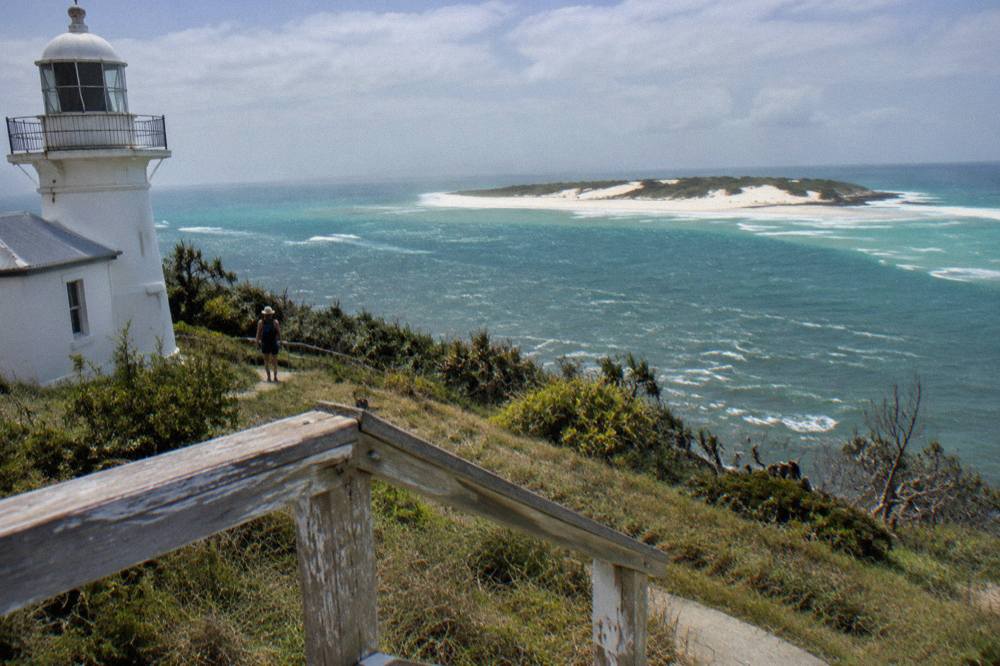
Bustard Head Lightstation is not a drive-up photo stop. The tour involves a 4WD climb up Bustard Headland, a volunteer caretaker guiding visitors through the keepers' cottage museum, the skipper leading guests up the tower stairs to the balcony, and a cemetery path, plus an optional forest walk. Add them up and the stop involves walking plus an enclosed stair climb. Loose scarves, long trailing hems and backless sandals all make that harder than it needs to be.
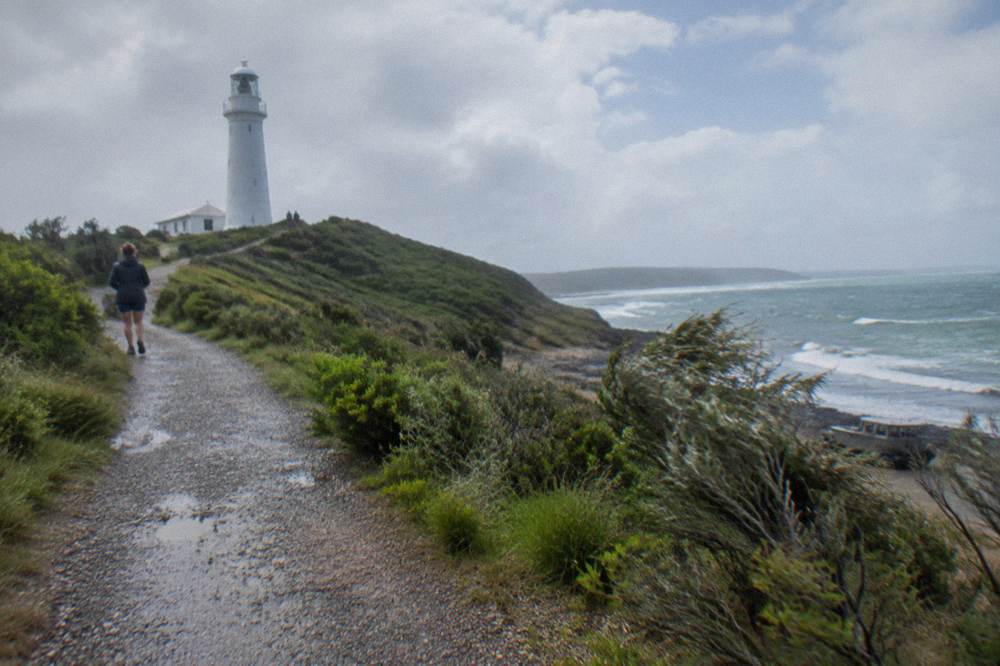
The history explains the surfaces. The light was first exhibited on 29 June 1868, in a colony of Queensland barely separated from New South Wales; the original cottages burned down in 1932; outside stairs were relocated inside the tower in 1935; the light was automated in the mid-1980s; and in 2001 a volunteer association obtained a lease and restored the site. Queensland Parks notes that the Eurimbula coastline is where Cook made his first Queensland landing in May 1770, and the national park was gazetted in 1986. What you are walking through is heritage infrastructure on a headland, so dress for a walking tour, not a boat deck.
One firm rule comes from the operator rather than fashion sense: children under 8 are not permitted in the lighthouse tower, owing to building standards. If your party splits at the stairs, whoever waits below will appreciate a shaded hat and water.
The clothing logic for this stop is the same logic behind the guide to 1770 LARC Tours more broadly: the full-day itinerary is closer to a shore expedition than a harbour cruise, and the people who enjoy it most are the ones dressed to clamber.
What Should You Pack Beyond Clothing?
Pack sunscreen, a hat that clips or ties on, sunglasses, a towel, a sealed dry bag for phones and a spare shirt, plus water. Morning tea and lunch are covered on the Paradise Tour, which includes wraps prepared by the 1770 Marina Cafe plus billy tea, and the Coastline Tour includes a picnic lunch, so food is one thing you can leave behind.
Tour inclusions do a lot of the packing for you. On the Paradise Tour, lunch, coffee or tea, all activities, a driver-guide, live commentary and a local guide are listed as included. On the Coastline Tour it is beverages, lunch, snacks, a driver-guide and commentary. The Afternoon Cruise is the exception: food and drinks are excluded, so bring your own or eat beforehand. Nobody needs to carry a picnic up a dune on the full-day trip.
What the tours do not hand you is sun protection. This is subtropical Queensland at a latitude where the Bureau of Meteorology's Seventeen Seventy station records a mean maximum of 29.7 degrees in January and 26.2 in October, and the sun is strong well outside summer. A hat that secures is specifically worth thinking about on an open moving vehicle: a standard cap will spend the day in your lap unless it clips on. Sunglasses on a retainer cord earn their keep for the same reason.
| Item | Paradise Tour (7 hours) | Coastline Tour (2 hours) | Afternoon Cruise (1 hour) |
|---|---|---|---|
| Swimwear and towel | Yes, swim and sandboarding stop | Not needed | Not needed |
| Sand-capable enclosed shoes | Strongly advised | Optional | Optional |
| Sunscreen and securing hat | Essential | Essential | Essential |
| Food and drink | Lunch and billy tea included | Picnic lunch and snacks included | Bring your own, food excluded |
| Dry bag or sealed spare shirt | Advised | Not needed | Not needed |
| Light warm layer | Advised May to Sep | Advised May to Sep | Advised May to Sep |
A small dry bag is the quiet hero of this list. Between creek crossings, spray and a swim, anything electronic or paper on the Paradise Tour needs sealed protection, and a spare shirt in the same bag doubles as your ride-home comfort. Group size on all three LARC trips is capped at 29, so storage space is finite: one compact bag per person beats a family of day packs.
Does The Season Change What You Wear In Agnes Water?
Yes, mainly through layers and rain. Mean maximums at Seventeen Seventy range from 21.5 degrees in July to 29.7 in January, and mean minimums fall to 13.9 in July, so winter mornings want a fleece. Rainfall peaks December to March and bottoms out June to September, and the official cyclone season runs 1 November to 30 April.
The Bureau's averages table, drawn from 38 years of records at the Seventeen Seventy station, gives a gentler seasonal swing than most of tropical Queensland: mean maximums stay between 21.5 and 29.7 degrees all year, and mean minimums between 13.9 and 23.1. Translated into clothing, that means the classic Australian coast kit works in every month: breathable layers you can shed, a warm layer for mornings from May to September, and rain protection in the wet months.
Two seasonal notes belong to official sources rather than folklore. Marine stingers are present in tropical Queensland waters year round with higher risk from November to May, and the Queensland Government advises swimming at patrolled beaches, obeying signs and considering a full-body lycra suit; the advice is general and does not single out 1770 or Lady Musgrave, so treat it as a packing prompt for a rash shirt or lycra suit rather than a warning about a specific beach. Separately, the official tropical cyclone season in the Australian region runs from 1 November to 30 April according to the Bureau of Meteorology, which is why operators hold cancellation policies at all: free cancellation up to 24 hours before start time applies to all three LARC trips, and the broader question is covered in the post on what happens if weather cancels a Lady Musgrave cruise, whose logic carries over to any operator here.
For the stinger-season framing, the Queensland Government's own dangerous marine creatures advice is the primary source, and it is worth reading before any summer swim in the region, patrolled or not.
What Should Children Wear On A LARC Tour?
Dress children in the same quick-dry, sand-tolerant kit as adults, with one addition: a full change of clothes in a sealed bag for the trip home. On the Paradise Tour, infants travel free but must be booked and counted; group size caps at 29, and children under 8 cannot enter the lighthouse tower, which shapes how a family splits its day.
The operator is explicit that every guest, including infants, must hold a booking and be counted, so a LARC trip is not the place to turn up with an unbooked extra toddler. Clothing-wise, children get sandier and wetter than adults on the Middle Island stop, and they feel the post-swim chill sooner, so the spare-shirt advice doubles in importance for them. Closed water shoes or old runners spare everyone the thong-on-hot-sand problem on the dunes.
The lighthouse rule needs planning rather than wardrobe. Because under-8s wait below while the rest of the party climbs the tower stairs, one adult staying back with young children will want shade, water and something to do at the cottage museum end of the site, where the volunteer caretaker's tour continues regardless. Sun-protective clothing for the wait matters more than it sounds on an exposed headland in the warmer months, when mean maximums run from 24.4 degrees in September upward.
If a full seven-hour day sounds long for your youngest travellers, the shorter amphibious options exist for exactly that reason. The one-hour Afternoon Cruise, from $31.61 and rated 4.8 across 228 reviews, keeps the LARC experience in a child-friendly hour, and it may suit a family split across ages.
The two-hour Coastline Tour with picnic lunch, from $61.11 and rated 4.9 across 92 reviews, splits the difference, adding a beach picnic lunch and beverages without the dunes or the headland climb.
Do You Need Different Clothes For The Shorter LARC Trips?
No special kit at all. The Afternoon Cruise is one seated hour through Bustard Bay and Round Hill Creek, and the Coastline Tour adds a beach picnic over two hours, so everyday comfortable clothes, a light wind layer and sun protection cover both. Only the Paradise Tour's itinerary, with its creeks, stairs, dunes and swim, demands purpose-chosen clothing.
This is worth stating plainly because packing lists for the full day get shared around as if they apply to every LARC booking. They do not. The three trips share a vessel type and a departure point at the 1770 marina in the Town of 1770, and they diverge everywhere else. Seven hours versus two versus one. From $118 versus $61.11 versus $31.61. A lighthouse, dunes and a swim versus a picnic versus a seat with a view. Dress for the trip you actually booked.
Wind is the one factor common to all three, because all three spend their whole duration on or near open water in an amphibious vehicle. Even at the height of summer, a light long-sleeved layer in reach is the difference between a comfortable crossing and a hunched one, and in the June to September stretch, when mean minimums run between 13.9 and 17.2 degrees, that layer graduates from optional to obvious.
For readers weighing the full-day itinerary against its two shorter siblings on price and inclusions, the trio below lays the three options side by side, with the Paradise Tour at 5.0 across 615 reviews, the Coastline Tour at 4.9 across 92 and the Afternoon Cruise at 4.8 across 228.
Common Questions About What To Wear On A 1770 LARC Tour
What To Wear On A 1770 LARC Tour?
Quick-dry clothes, enclosed shoes that can get wet and sandy, a hat that secures, sunscreen and sunglasses, plus swimwear, a towel and a dry change of clothes if you are on the full-day Paradise Tour with its sandboarding and swim stop. A warm layer helps from May to September.
Do You Need Swimwear On A LARC Tour?
Only on the full-day Paradise Tour, which includes sandboarding on the Middle Island dunes and a swim. The Afternoon Cruise and Coastline Tour itineraries do not include a swim stop.
Are Thongs Acceptable Footwear On The Paradise Tour?
They are a poor choice. The day includes four tidal creek crossings, sandy beaches, an optional forest walk and lighthouse tower stairs, so enclosed, sand-tolerant shoes with grip are strongly advised.
Is Sandboarding Equipment Included, Or Do You Bring Your Own?
Sandboarding equipment is listed as included on the Paradise Tour. It is the only LARC trip with a sandboarding stop.
What Should Children Wear, And Can They Climb The Lighthouse?
Children should wear the same quick-dry kit as adults with a spare outfit sealed in a bag. Children under 8 are not permitted in the lighthouse tower, and on the Paradise Tour infants must be booked and counted.
Do You Need A Wetsuit Or Stinger Suit On A LARC Tour?
No LARC operator lists one. Queensland Government advice notes stinger risk is higher in tropical Queensland waters from November to May and suggests considering a full-body lycra suit; a rash shirt is a reasonable middle ground for the Paradise Tour swim.