Free Things To Do Around Your 1770 Cruise
A cruise or LARC tour fills one day of a 1770 trip. The Cook landing story, a national park coastline and a free information centre fill the rest without costing anything.
Short answer
Free things to do around Agnes Water and the Town of 1770 include the Captain Cook landing site and its 1926 cairn, the Eurimbula National Park coastline, Round Hill Creek and the Agnes Water 1770 Visitor Information Centre at 71 Springs Road. Paid cruises from $31.61 sit alongside them, so a full trip can mix both.
The Town of 1770 and Agnes Water sit on a peninsula where the paid activities, cruises to Lady Musgrave Island and amphibious LARC tours along the coast, are only part of what the place offers. Between those trips there is history on the foreshore, a gazetted national park wrapped around the headland, and a free Visitor Information Centre that most people drive straight past. This guide walks through what genuinely costs nothing, where the Cook story sits in it, and how the free hours stack up against the paid cruise days so a week here does not have to be an expensive week.
What Free Things Can You Do In Agnes Water And 1770?
The genuinely free options are the Captain Cook landing site and its 1926 rock cairn on the 1770 foreshore, the Eurimbula National Park coastline east of town, the views over Round Hill Creek and Bustard Bay, and the Agnes Water 1770 Visitor Information Centre at 71 Springs Road. All sit within a short drive of the 1770 marina where the paid cruises depart.
That is the honest inventory, and it is worth being clear about what is not on it. This guide lists the free options we could verify. Every vessel on this coast is a commercial operation, from the one-hour 1770 LARC! Tours Afternoon Cruise at $31.61 per person to full-day reef trips from $216. The free side of a 1770 holiday is a land-based side: walking, reading the landscape, and using the parks and public foreshore that Queensland Parks manages around the town.
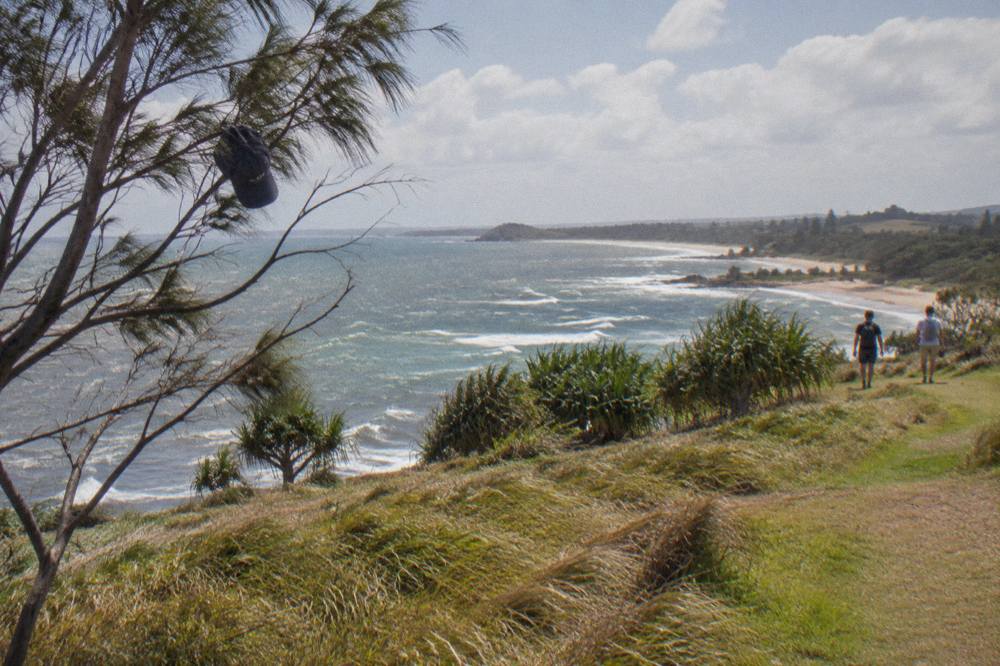
The scale of the free landscape is larger than visitors expect. Eurimbula National Park was gazetted in 1986 and protects more than 23,000 hectares of coastline and hinterland, part of the traditional country of the Gooreng Gooreng people, according to Queensland Parks. The park wraps the peninsula to the east and south of the town, so the free experiences are not scraps of green on the edge of a resort strip, they are the majority of the land in the district.
Here is how the free options compare at a glance:
| Free activity | Where | What it involves | Best paired with |
|---|---|---|---|
| Cook landing site and 1926 cairn | 1770 foreshore | Short walk, historical markers, inlet views | Afternoon Cruise departure day |
| Eurimbula National Park coastline | East and south of 1770 | Coastal walks, beaches, headland lookouts | A rest day between cruises |
| Round Hill Creek and Bustard Bay views | Town of 1770 | Foreshore walking, picnic spots | Any morning |
| Agnes Water 1770 Visitor Information Centre | 71 Springs Road, Agnes Water | Maps, park advice, local knowledge | First day in town |
| Marina foreshore at the 1770 marina | Town of 1770 | Watching vessels come and go | Cruise check-in day |
The pattern worth planning around is that the free activities are flexible-hour activities. The paid ones are not: a nine-hour Lady Musgrave day cruise or a seven-hour Paradise Tour consumes a whole daylight block, while the cairn, the foreshore and the information centre can absorb whatever hours the cruises leave behind. The guide to things to do in Agnes Water covers the paid side in detail if you are still deciding which cruise to book.
Where Does The Captain Cook Story Take Place In 1770?
Lieutenant James Cook landed on this stretch of coast in May 1770, his first landing in what became Queensland, and the town was renamed Seventeen Seventy in honour of it. A rock cairn dedicated in 1926 stands where one of Cook's crew carved the date on a tree, and it is free to visit on the foreshore.
The story is the single richest free attraction in the town, and Queensland Parks tells it plainly. Cook originally called the spot Round Hill, and the inlet where HMB Endeavour anchored was named Bustard Bay after a bustard, a plains turkey, was shot nearby. Joseph Banks, the expedition's botanist, collected 33 plant species behind the beach during the stopover. All of that happened within a few hundred metres of where the cruise vessels tie up today, which is why the foreshore walk rewards a slow loop rather than a quick photo.
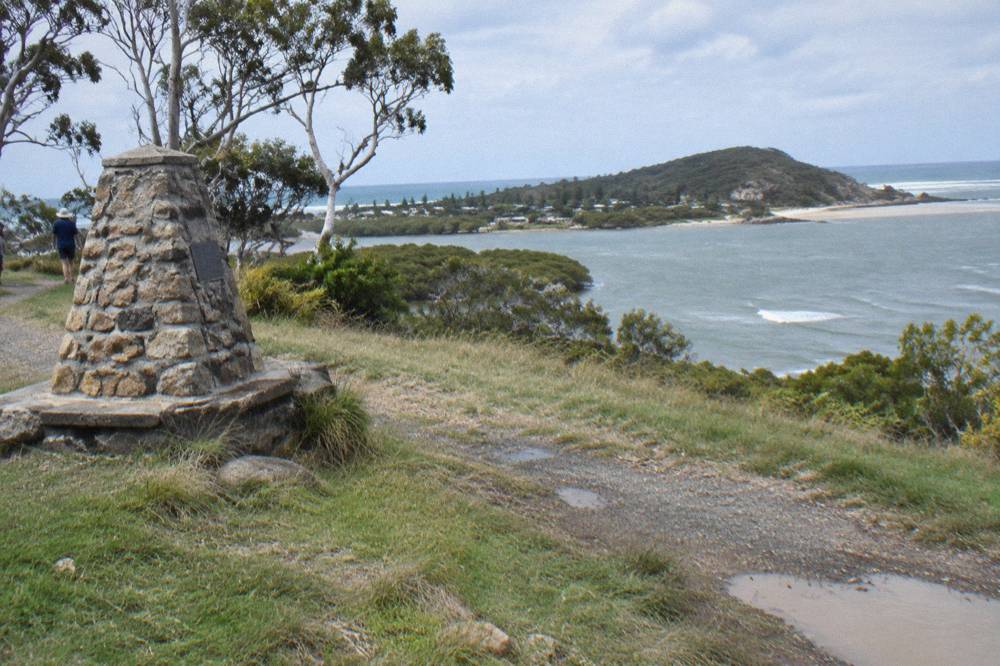
The cairn itself is a century-old piece of commemoration. It was dedicated in 1926 on the site where the carved date was found, and it anchors the historical identity of a town that otherwise trades on beaches and boat ramps. The free version of Cook history here is short, an hour on the foreshore covers it comfortably, so it slots neatly into an arrival afternoon or the tail end of a cruise day when energy is low but the light is good.
One thread of the Cook story leads directly into the paid side. Bustard Bay, the inlet the Endeavour anchored in, is the same body of water the 1770 LARC! Tours one-hour Afternoon Cruise takes in, along with Round Hill Creek, for $31.61 per person with live commentary on board. The commentary is where the paid version adds something the free cairn cannot: a skipper narrating the bay as you move across it. The two experiences pair well on the same afternoon if the budget stretches to one small paid item.
The botanical thread is worth a line too. Banks's 33 collected species are a reminder that the vegetation behind these beaches has been documented since Cook's 1770 visit. Eurimbula National Park protects a large part of it now, which brings the free story from 1770 into the present tense.
Can You Visit Eurimbula National Park Without Paying?
Walking the public coastline costs nothing; check Queensland Parks for any section fees. Queensland Parks describes Eurimbula as protecting more than 23,000 hectares including the coastline where Cook made his first Queensland landing, and camping permits are a separate paid matter.
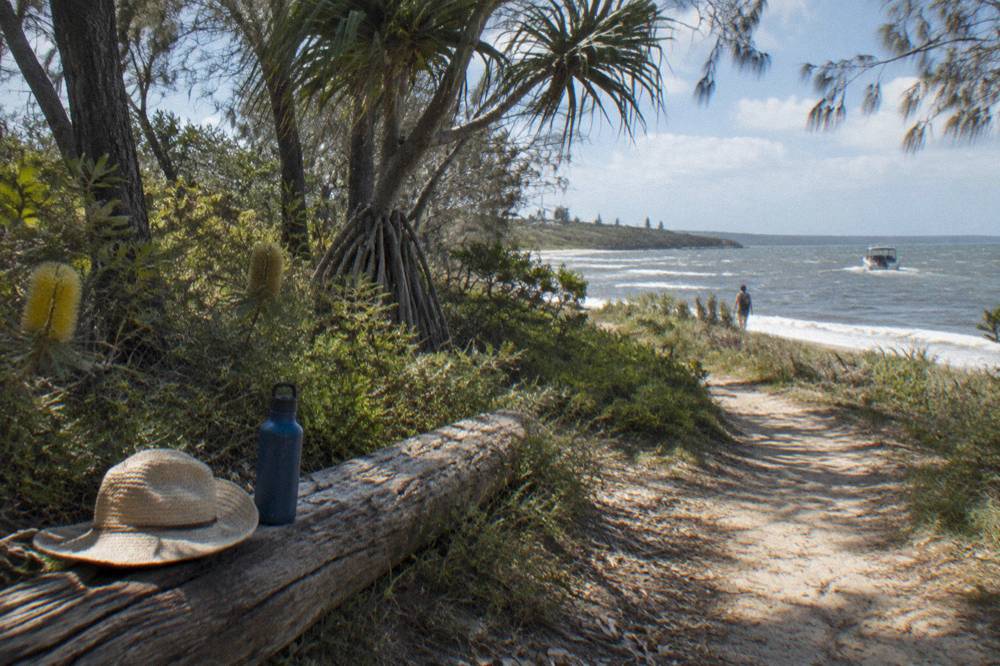
The distinction that matters is between visiting and staying. Walking, beach time and lookouts within the park cost nothing. Camping anywhere in Queensland's national parks requires a permit with fees, and for the Capricornia Cays parks, bookings open up to nine months ahead with permits released on set days, so an overnight plan is a different exercise from a day visit. Seasonal camping closures apply, and Queensland Parks publishes the current tables.
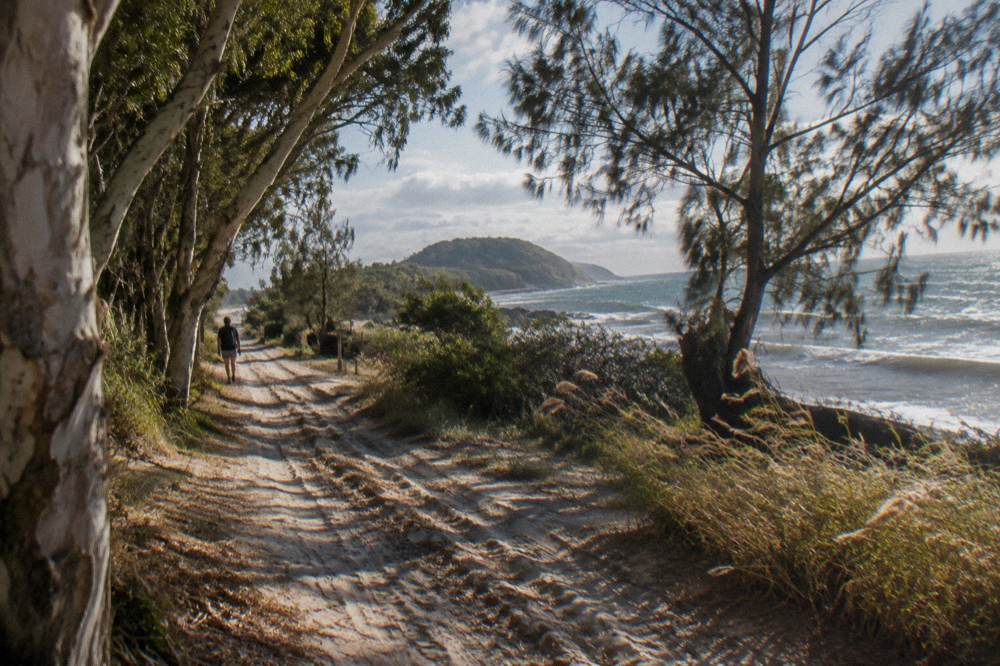
Two rules shape how you use the free side of Eurimbula. Vehicles are not permitted on the park's beaches, per Queensland Parks, so the amphibious LARC tours that run along this coast are authorised operations rather than a liberty available to anyone with a four-wheel-drive. And the park asks visitors to follow basic biosecurity: remove soil and seeds from gear before visiting, dispose of fish scraps responsibly, and leave all plants protected as they are. Neither rule costs anything, and both keep the free access free.
The paid contrast here is direct. The 1770 LARC! Tours full-day Paradise Tour travels along the edge of Eurimbula National Park, over sandy beaches and four tidal creeks, then climbs Bustard Headland to the lightstation, for $118 per person with lunch included. That is the operator-authorised way to cover the same coastline the free walker only sees from the headlands. If your interest in the park is the landscape itself, the free lookouts deliver it; if it is the story of the lighthouse and the creeks, the paid day delivers that.
| Eurimbula National Park experience | Cost | What you get |
|---|---|---|
| Coastal walks and headland lookouts | Free | Self-guided views of the Cook landing coastline |
| Beach visits within the park | Free | Vehicles prohibited, access on foot |
| Camping in the park | Permit fees apply | Booked site, seasonal closures apply |
| Paradise Tour along the park edge | From $118 per person | LARC vehicle, lightstation visit, sandboarding, lunch |
The headland between Eurimbula and town also frames the turtle story of this coast, with a caveat. Queensland Parks notes that the mainland beaches here become nesting sites for loggerhead, flatback and green turtles from mid-November to February, with hatchlings leaving nests from mid-January to late March. That is a fact about the beaches, not a promise about any tour, and viewing nesting turtles is best done responsibly after dark without disturbance. The free beach at the right time of year is where that possibility lives.
Is The Agnes Water 1770 Visitor Information Centre Free?
Yes, the Agnes Water 1770 Visitor Information Centre at 71 Springs Road, Agnes Water is a free public facility, and it is the practical first stop of any budget trip. It is the place to collect park maps, check local conditions knowledge with staff, and plan which of the free sites above to combine on which days.
An information centre is not an attraction in the theme-park sense, but on a free-things itinerary it earns its place twice over. First, the staff field the practical questions this guide cannot answer day to day, from track conditions to which facilities are open. Second, it is the one indoor, all-weather free option in the district, which matters in a place where most of the free list is outdoors and exposed to the elements.
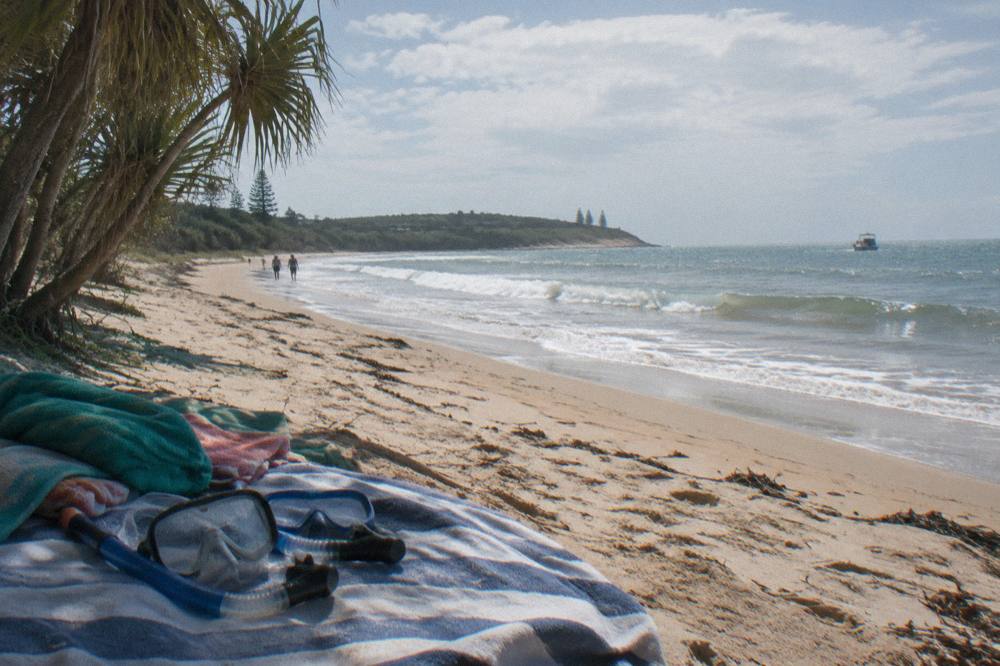
Its location is also convenient to the rest of the plan. Springs Road sits in Agnes Water, the twin settlement to the Town of 1770 a few minutes' drive north, so a loop that takes in the centre, the Agnes Water beachfront and then the 1770 foreshore and cairn is a natural half-day circuit costing nothing but fuel. The regional tourism body's getting-there guide confirms the district's layout and drive distances if you are arriving from further afield.
One thing the centre will not do is replace booking a cruise. The departure points are fixed: everything except the Bundaberg cruise leaves the 1770 marina in the Town of 1770, while the Lady Musgrave Experience day cruise departs Bundaberg Port Marina at Burnett Heads, a different port to the south. Getting that straight at the information counter on day one saves a missed departure later, and the guide to getting to 1770 for a cruise covers the routes in full.
What Can You See For Free Around The 1770 Marina And Round Hill Creek?
The 1770 marina foreshore, Round Hill Creek and the views across Bustard Bay are all free public space, and they double as the watching point for every cruise departure in town. The reef catamarans, speedboats and LARC amphibious vehicles all leave from this one small marina, so an hour on the foreshore is an hour of working-waterfront theatre at no cost.
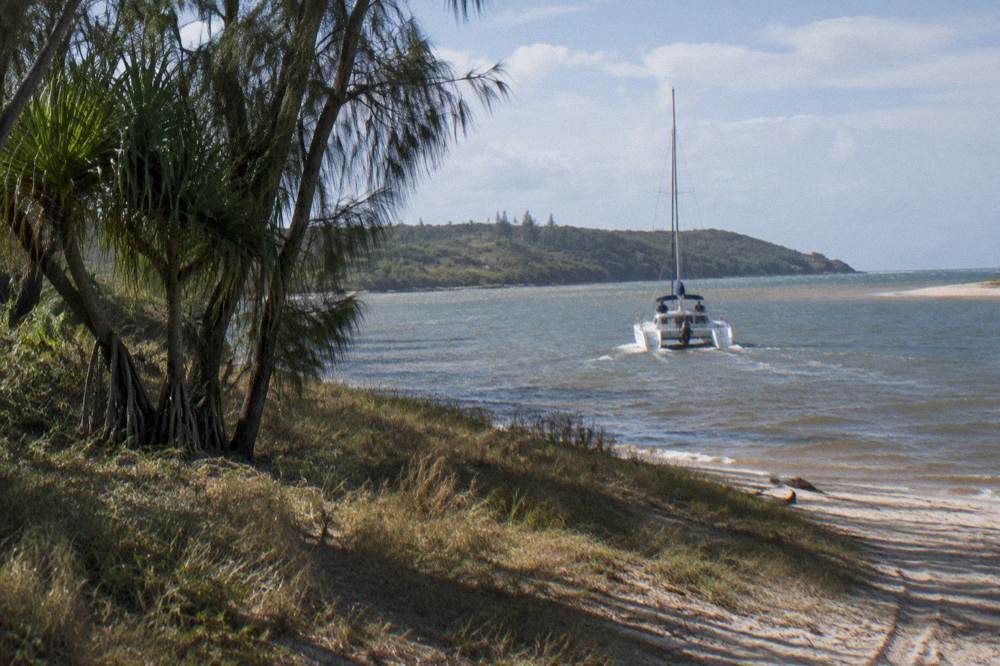
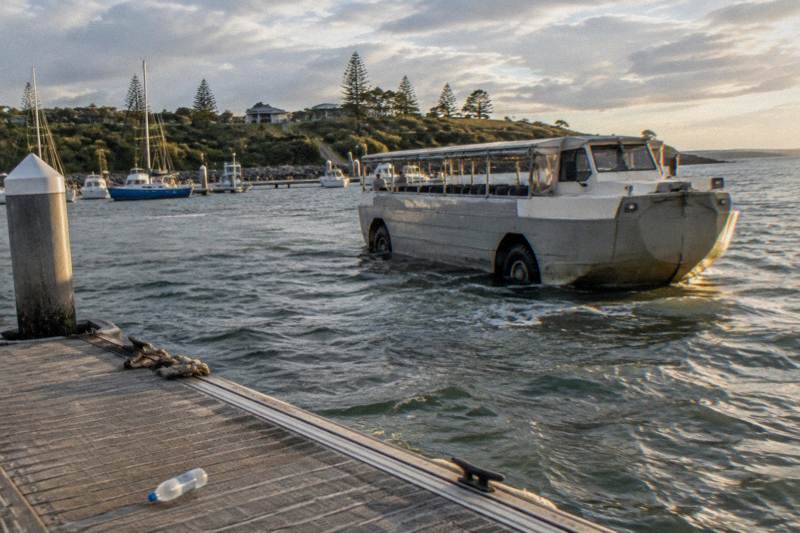
Round Hill Creek is the inlet Cook's crew knew, and today the tour vessels use it. Watching an amphibious LARC drive from the ramp straight into the creek is a small spectacle that costs nothing to witness. LARC departures are visible from the foreshore. The full index of guides sits on 1770 Cruises.
The marina is also the district's practical hub, not just a viewing spot. The cafe there prepares the lunches that go out on the Paradise Tour, according to the operator's own description of the day, and the jetty is where cruise passengers gather before boarding. On a budget trip, timing a free foreshore walk to coincide with a departure or return turns the paid industry into free entertainment, with the added benefit of learning how each boarding works before your own cruise day arrives.
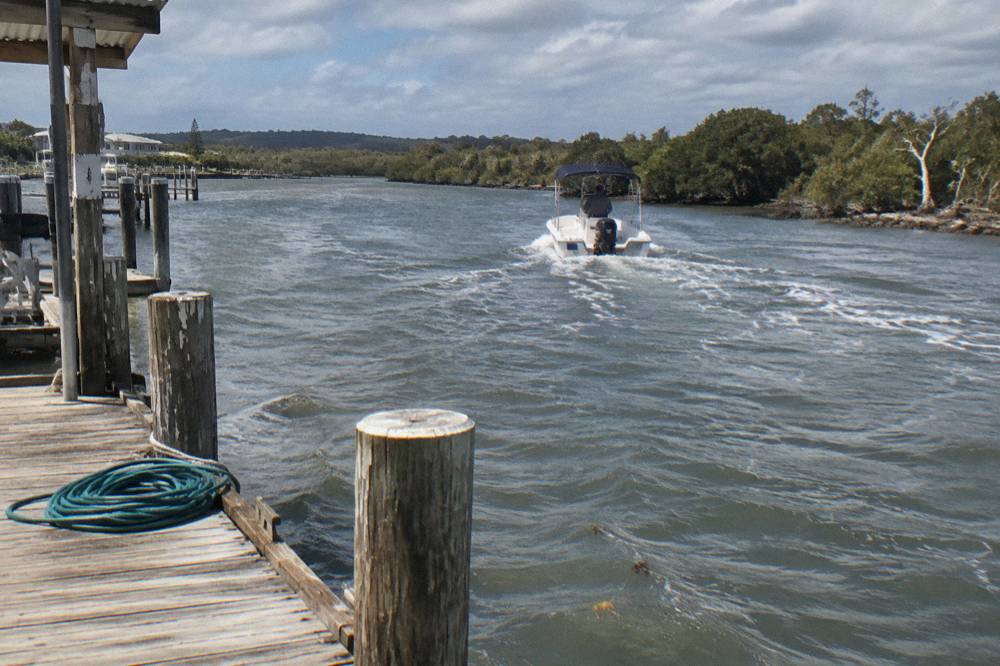
Queensland Parks records the 1770 marina as the base of 1770 Reef Eco Tours, and the state's tourism body describes 1770 as the closest mainland departure point for Lady Musgrave Island day tours. That concentration is unusual: seven of the eight tours depart from the one marina at the Town of 1770, and only the Bundaberg cruise leaves from elsewhere. For a free itinerary, that means one vantage point covers almost the entire paid fleet.
Can You Learn About Lady Musgrave Island And The Reef For Free?
Partly. The public facts about Lady Musgrave Island, its national park status, the reef's Green Zone rules and the environmental management charge are all free to read from official sources, and they make the free hours genuinely educational. But every actual visit to the island, 59km east-north-east of Seventeen Seventy, is a paid commercial cruise or private boat trip.
The island is part of Capricornia Cays National Park, one of eight islands in a park Queensland Parks describes as unlike rocky continental islands, because the cays were completely built by corals. The camping area sits inside the Great Barrier Reef World Heritage Area, reached by private boat or commercial vessel, and there is a daily commercial service that is weather-dependent. Reading that material before a cruise changes what you see from the deck: a coral cay with a pisonia forest, not a continental island with a hill.
| Free knowledge source | What it tells you |
|---|---|
| Queensland Parks Capricornia Cays pages | Island geography, camping rules, departure points |
| Reef Authority zoning pages | Green Zone is no-take, anyone can snorkel and swim |
| Reef Authority charge page | Environmental management charge, A$8.50 full day per passenger, collected by the operator |
| BoM Seventeen Seventy climate table | Monthly temperature and rainfall averages |
| AIMS reef condition summary | Southern GBR hard coral cover at 26.4% in 2026 |
The Reef Authority's rules deserve a free hour of anyone's time. The Marine National Park (Green) Zone is a no-take area where extractive activities like fishing and collecting are prohibited without a permit, while anyone can enter to boat, swim, snorkel and sail. Around Lady Musgrave Island specifically there is a go-slow area from mean high water to 500 metres around the island or the edge of the outer drying reef, whichever is the least, plus designated anchoring arrangements and reef protection markers. None of this knowledge costs anything, and all of it makes the paid cruise day more legible.
The one figure worth knowing before you book is the environmental management charge, the official name for the per-passenger charge operators collect for reef access, A$8.50 for a full day per passenger. Whether it sits inside a ticket price or beside it is a matter for each operator's pricing, so treat it as background rather than a budget line. The guide to Lady Musgrave Island cruises from 1770 works through the ticket prices themselves.
The paid contrast is the 1770 Reef Eco Tours Lady Musgrave Island snorkelling day cruise, from $222 per person for nine hours, rated 4.3 across 257 reviews, with the crossing to the island stated at about 90 minutes each way on that departure. Free reading gets you the island's story; only the paid day gets you onto the water beside it. If the free research has done its job, the snorkelling cruise guide is the next step.
When Is The Best Weather For Free Outdoor Activities Around 1770?
The driest months at Seventeen Seventy are June to September, with mean rainfall between 34.9 and 58.1mm, and mean maximum temperatures from 21.5 to 24.4 °C, which suits walking and foreshore time. Summer is wetter and warmer, December to March means run 129.2 to 172.6mm, and the official tropical cyclone season spans 1 November to 30 April.
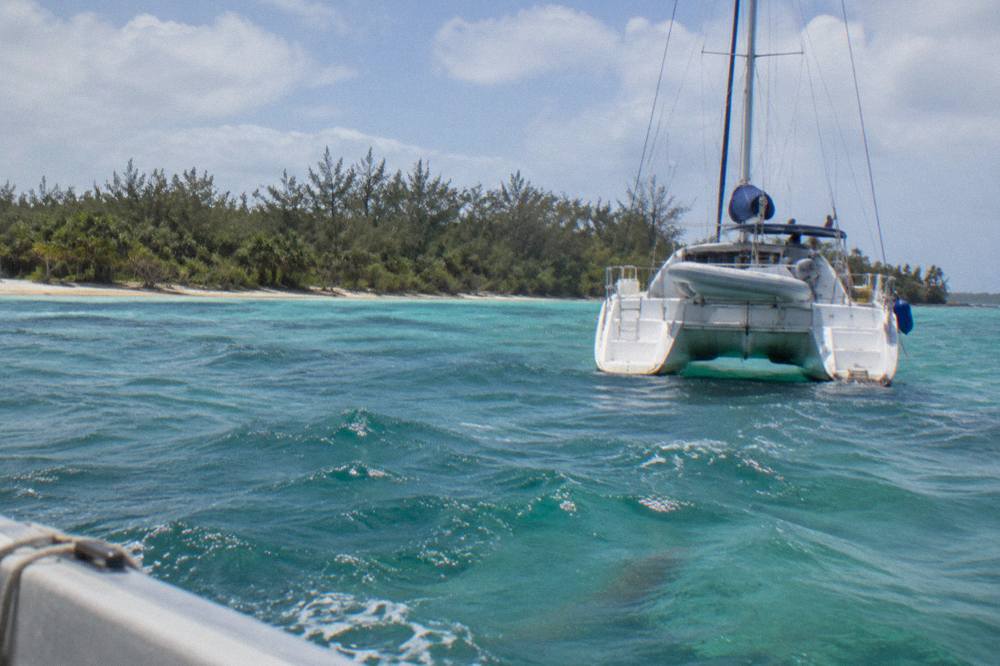
Those figures come from the Bureau of Meteorology's climate averages for its Seventeen Seventy station, compiled over decades of records, and they are the honest basis for timing a free-heavy itinerary. Free activities in 1770 are almost all outdoors, so the climate table is effectively the planning document for this half of the trip. Winter and spring deliver mild days and the year's lowest rainfall; summer trades that for heat near 30 °C means and the district's wettest quarter.
| Month | Mean max (°C) | Mean min (°C) | Mean rainfall (mm) |
|---|---|---|---|
| January | 29.7 | 23.1 | 149.5 |
| April | 26.6 | 19.5 | 104.6 |
| July | 21.5 | 13.9 | 44.9 |
| September | 24.4 | 17.2 | 34.9 |
| December | 29.0 | 22.3 | 129.2 |
Two seasonal cautions apply to any plans on or near the water. The Bureau of Meteorology states the official tropical cyclone season in the Australian region runs from 1 November to 30 April, which overlaps the wettest months here. And the Queensland Government's general marine stinger advice notes stingers are present in tropical Queensland waters year round with higher risk from November to May, recommending swimming at patrolled beaches between the flags and considering a full-body lycra suit. That is statewide advice, not a statement about Agnes Water specifically, but it is the official framing worth carrying into any summer water time. The guide to the best time for a Lady Musgrave cruise applies the same climate record to the paid side.
How Do Free Activities Fit Around A Paid Cruise Day?
Build the trip around the cruise durations: Lady Musgrave day cruises run nine or ten hours and the Paradise Tour runs seven, so those days are fully consumed, while the LARC short tours take one or two hours and leave room. Free activities slot best into arrival days, the evening after any cruise, and any weather-hold rest day.
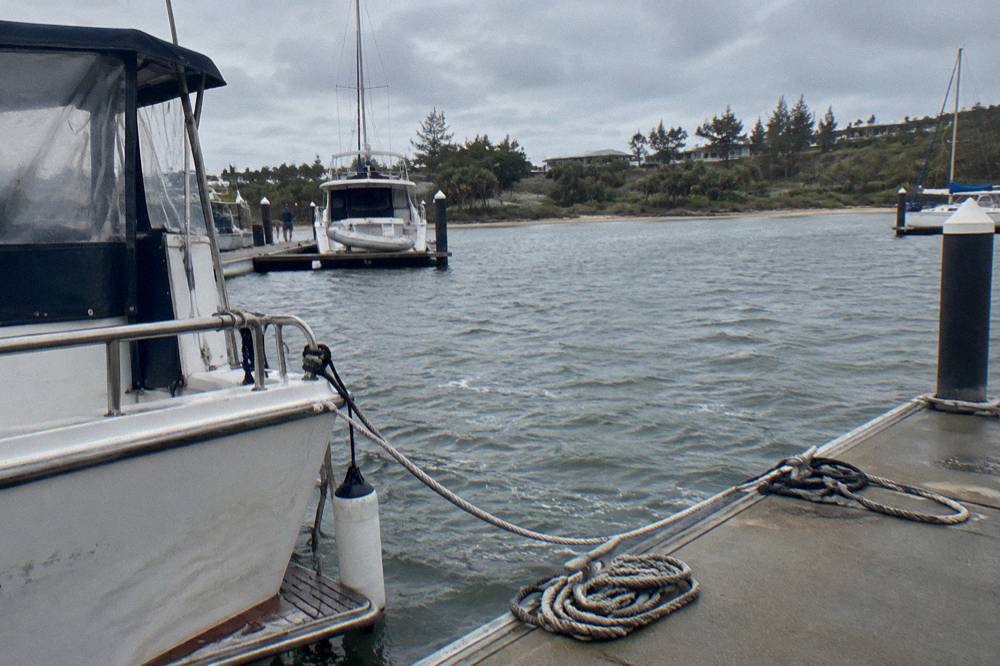
The durations come straight from the tour details: the 1770 Reef Eco Tours Lady Musgrave cruise is a nine-hour day, the Lady Musgrave Experience cruise from Bundaberg is ten, the Dive Spear and Sport snorkelling day trip is nine, and the Paradise Tour is seven hours. Against those, the one-hour Afternoon Cruise at $31.61 and the two-hour Coastline Tour with picnic lunch at $61.11 are short enough to combine with a free morning or a free evening. A realistic week might run one long cruise, one Paradise Tour day, and free foreshore, park and information-centre days filling the gaps.
One planning detail keeps the free days functional: the district has two distinct bases, Agnes Water and the Town of 1770, and the free activities are split across both. The Visitor Information Centre is in Agnes Water; the cairn, marina and Eurimbula access are at 1770. Cycling or driving between them is a few minutes, but grouping activities by settlement saves backtracking. The bus stop, for anyone arriving by coach, is the AMPOL service station in Agnes Water, not the marina, so budget travellers without a car should plan the free days around that fixed point.
Cancellation terms also shape the free-day plan, because free cancellation applies to all 8 tours shown here: up to 24 hours before start on seven of the eight products, and up to 14 days in advance on the Bundaberg cruise. That means a weather-threatened cruise day can pivot into a free activities day, or vice versa, without losing the ticket money. Keeping one or two free options in reserve for exactly that pivot is the cheapest insurance a 1770 trip has.
Which Paid Tours Are Worth Adding To The Free Days?
The short answer is the LARC tours for coast and history, and a Lady Musgrave cruise for the reef. The full-day Paradise Tour at $118 per person, rated 5.0 across 615 reviews, is the most-reviewed tour on this site and the natural paid partner to the free Cook and Eurimbula story, while reef day cruises run from $216 to $237 per person.
The pricing spread across the district's tours tells its own story. The Afternoon Cruise starts at $31.61, the Coastline Tour with picnic lunch at $61.11, the Paradise Tour at $118, and the reef day trips sit between $216 and $237, with scuba days from $298 and $315.37. The median from-price across the eight products is $219. In other words, the LARC family covers the lower half of the market and the reef days cover the upper half, and the free activities in this guide sit outside that structure entirely.
| Tour | Duration | From (USD pp) | Rating and reviews |
|---|---|---|---|
| Paradise Tour with Bustard Head and sandboarding | 7 hours | $118.00 | 5.0 across 615 reviews |
| Coastline Tour with picnic lunch | 2 hours | $61.11 | 4.9 across 92 reviews |
| Afternoon Cruise | 1 hour | $31.61 | 4.8 across 228 reviews |
| Lady Musgrave snorkelling day cruise (1770 Reef Eco Tours) | 9 hours | $222.00 | 4.3 across 257 reviews |
| Lady Musgrave Experience day cruise (from Bundaberg) | 10 hours | $237.00 | 4.8 across 368 reviews |
For a traveller whose budget runs to one paid day, the Paradise Tour is the one that overlaps most with the free content of this guide. It runs the Eurimbula edge, climbs to the Bustard Head Lightstation, first exhibited on 29 June 1868, and crosses to the Middle Island dunes for sandboarding, with lunch, morning tea and billy tea included. Children under 8 are not permitted in the lighthouse tower, which is the one family-planning detail worth knowing. The full comparison lives in the Paradise Tour guide.
For a traveller whose interest is the reef rather than the coast, the choice is between departures from the 1770 marina and the Bundaberg cruise, and that choice is really a choice of where you are staying. A trip based in Agnes Water or 1770 with one reef day and everything else free is a perfectly coherent plan, and it is how plenty of visitors keep the total cost of a week on this coast within reach. More detail on that trade-off is in the Bundaberg departure guide.
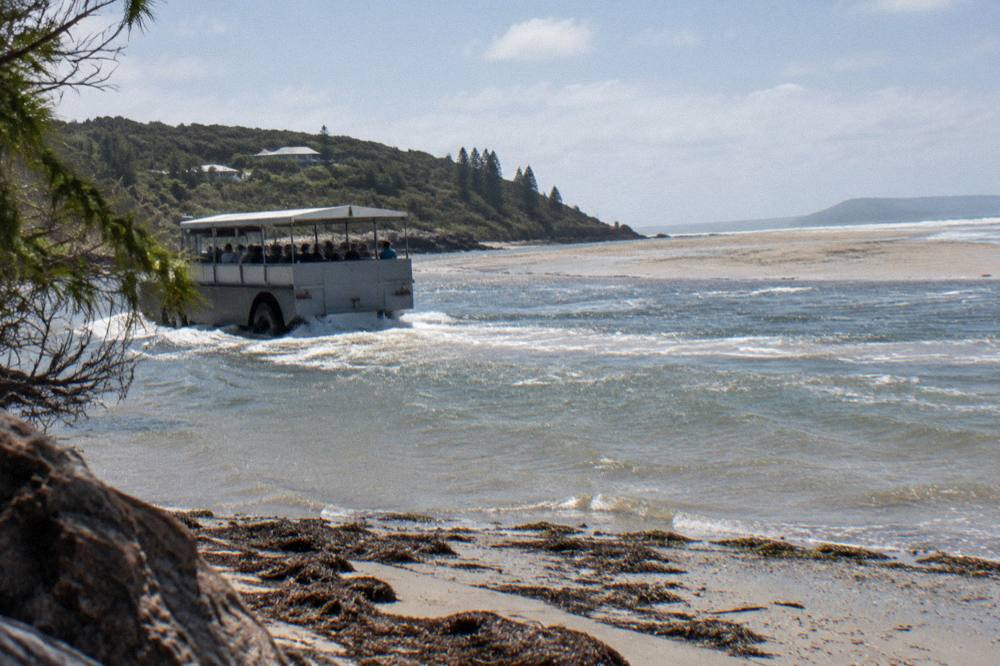
The full-day 1770 LARC! tour to Bustard Head carries 615 reviews at a 5.0 rating, worth weighing if a free-first plan makes room for one paid day out. Bookings carry free cancellation up to 24 hours before the start time, so even the splurge keeps the flexibility the free days depend on.
Common Questions About Free Things To Do Around 1770
What Free Things Can You Do In Agnes Water?
The free options are the Captain Cook landing site and 1926 cairn on the 1770 foreshore, the Eurimbula National Park coastline and headland lookouts, the Round Hill Creek and Bustard Bay foreshore around the marina, and the Agnes Water 1770 Visitor Information Centre at 71 Springs Road.
Is The Captain Cook Cairn In 1770 Free To Visit?
Yes. The rock cairn, dedicated in 1926 on the site where one of Cook's crew carved the date on a tree, stands on the public foreshore and charges no entry fee.
Can You Visit Eurimbula National Park For Free?
Walking the public coastline costs nothing; check Queensland Parks for any section fees. Camping requires a paid permit, and seasonal camping closures apply, so check Queensland Parks before planning an overnight stay.
Are There Any Free Tours In Agnes Water Or 1770?
This guide lists the free options we could verify, and none is a guided tour. Every boat and land tour is a commercial product, from the $31.61 Afternoon Cruise to full-day reef trips, so the free side of a 1770 trip is entirely self-guided.
Can You See Lady Musgrave Island For Free?
No. The island lies 59km east-north-east of Seventeen Seventy and is reached only by private boat or paid commercial cruise. You can read about the island, its national park and the reef's zoning rules for free from official sources.
How Do Free Activities Fit Around A Cruise Day?
Long cruises run seven to ten hours and consume a full day, so free activities work best on arrival days, evenings, short-tour days and weather-hold days. All eight tours on this page offer free cancellation, 24 hours ahead on seven of them, so shifting between paid cruise days and free days stays low risk.