Best Time For A Lady Musgrave Island Cruise: Month By Month
There is no single best month for a Lady Musgrave Island cruise, and any page that names one is guessing. What actually decides it is the Bureau of Meteorology's climate averages for Seventeen Seventy, the stinger season, the cyclone season and how much of the day you want to spend on the water.
Short answer
The driest months at Seventeen Seventy are June to September, with mean rainfall between 34.9 and 58.1 mm and mean maximums of 21.5 to 24.4 °C. The wettest months are December to March. Marine stinger risk is higher November to May, and the tropical cyclone season runs 1 November to 30 April.
The three seasonal references for a Lady Musgrave Island cruise are the Bureau of Meteorology's climate averages for the Seventeen Seventy station, the Queensland Government's marine stinger season, and the Bureau's tropical cyclone season window. Everything else on this page, cruise durations, prices and what each departure includes, comes from the tour pages themselves. What no honest page can tell you is which month will give you calm water on your particular day, because Queensland Parks says plainly that the commercial service to the island is weather-dependent and you need to check with operators for timetables. For anyone weighing a swim during the warmer months, the guide to stingers on a Lady Musgrave Island snorkelling cruise covers the official Queensland advice, what the operators supply, and how to plan around the season.
That last point shapes everything below. A month-by-month climate table describes averages collected over decades, and averages smooth out exactly the variability that cancels a sailing. The way to use this page is to narrow your window with the climate record, then protect your booking with the cancellation terms each cruise actually states. Both halves of that job are here.
The choice of month also interacts with which departure you use. The Town of 1770 is the closest mainland departure point for Lady Musgrave Island day tours, with vessels leaving from the 1770 Marina, and Tourism and Events Queensland puts the island around 60 km offshore. Queensland Parks measures the camping area as 59 km east-north-east of Seventeen Seventy. There is also a second port: one cruise on this site, the Lady Musgrave Experience day cruise, departs Bundaberg Port Marina at Burnett Heads, not 1770. If you are already planning around weather windows, the port you leave from matters as much as the month you leave in, because drive time, day length and cancellation terms all differ between them.
When Is The Best Time For A Lady Musgrave Island Cruise?
There is no single best month, and any source that names one is making it up. The measurable facts are these: the driest months at Seventeen Seventy are June to September, mean rainfall runs 34.9 to 58.1 mm across those four months, and mean maximum temperatures sit between 21.5 and 24.4 °C. The wettest stretch is December to March. Neither fact alone picks your month.
What the climate record can do is frame the trade-offs. Winter at 1770, June to September, is dry and mild: the August mean maximum is 22.4 °C and mean minimum 14.7 °C, and August is also the driest month on the record at 40.2 mm of mean rainfall. Summer, December to March, is warmer and wetter, with the February means at 29.4 °C maximum, 22.7 °C minimum and 172.6 mm of rain, the wettest month of the year. Neither is a bad time to be on the water; they are different propositions, and they suit different travellers and different budgets of patience.
Two seasonal overlays matter more than rain. First, the Queensland Government advises that marine stingers are present in tropical Queensland waters all year round but the risk is higher during the marine stinger season, November to May, and suggests swimmers consider wearing a full-body lycra suit. Second, the Bureau of Meteorology states the official tropical cyclone season in the Australian region runs from 1 November to 30 April. Neither is a reason to avoid those months; both are reasons to read the cancellation policy before booking, and all eight cruises shown on this page state free cancellation.
One point that deserves emphasis here: the cruise itself is not a fair-weather gamble you can price. Queensland Parks describes the daily commercial service to Lady Musgrave as weather-dependent, so any month can produce a cancelled or rescheduled sailing. If your trip to the region is short, buffer a spare day rather than agonising over the calendar. A washout on your only free Tuesday is a ruined itinerary; a washout with a Thursday backup is a story.
For the practical side of timing around the water, the tides and landing guide explains how tides shape the day, and the weather cancellation post covers the rescheduling mechanics.
What Is The Weather Like At 1770 Month By Month?
The Bureau of Meteorology's Seventeen Seventy station, 38 years of temperature records and 29 years of rainfall, shows mean maximums from 21.5 °C in July to 29.7 °C in January, mean minimums from 13.9 °C to 23.1 °C, and mean monthly rainfall from 40.2 mm in August to 172.6 mm in February. Those averages describe the climate, not your sailing day.
The table below is taken directly from the Bureau's climate averages for the Seventeen Seventy station. Read the rainfall column as a mean, not a forecast: any single month can come in wetter or drier than the average suggests. Read the temperature columns as comfort guidance for packing, because a nine or ten hour day on the water amplifies both ends of the range.
| Month | Mean max (C) | Mean min (C) | Mean rainfall (mm) |
|---|---|---|---|
| January | 29.7 | 23.1 | 149.5 |
| February | 29.4 | 22.7 | 172.6 |
| March | 28.5 | 21.7 | 149.8 |
| April | 26.6 | 19.5 | 104.6 |
| May | 24.2 | 17.0 | 99.4 |
| June | 22.1 | 14.7 | 58.1 |
| July | 21.5 | 13.9 | 44.9 |
| August | 22.4 | 14.7 | 40.2 |
| September | 24.4 | 17.2 | 34.9 |
| October | 26.2 | 19.4 | 65.1 |
| November | 27.8 | 21.1 | 76.0 |
| December | 29.0 | 22.3 | 129.2 |
A few honest readings of that table. September is quietly the standout on paper: the lowest mean rainfall of the year at 34.9 mm, with the mean maximum already back up to 24.4 °C and the mean minimum at a comfortable 17.2 °C. October is the transition month, mean rainfall doubling to 65.1 mm as the build-up begins, while mean maximums climb to 26.2 °C. April and May taper from the wet season, with means of 104.6 mm and 99.4 mm respectively, and cooler nights: 19.5 °C and 17.0 °C mean minimums. January, at 29.7 °C mean maximum and 23.1 °C mean minimum, is the warmest month, only marginally hotter than December and February on the means.
The complete table of climate averages for the town is maintained by the Bureau of Meteorology for station 039314, Seventeen Seventy. Use it for planning ranges, not for a promise about any single week.
What the table cannot express is wind, and wind is what actually moves a small-boat crossing. Sea conditions on the run between 1770 and Lady Musgrave Island vary, so check with the operator about wind and swell before you book. What the cruises do state: the 1770 Reef Eco Tours Lady Musgrave Island snorkelling day cruise lists transfers onboard a power catamaran of approximately 90 minutes each way, on a nine-hour day from the 1770 marina, from $222 per person, rated 4.3 across 257 reviews.
If your dates are flexible, pair the month choice with the port choice. The Bundaberg departure, the Lady Musgrave Experience day cruise, is a 10-hour day from Bundaberg Port Marina at Burnett Heads, from $237 per person, rated 4.8 across 368 reviews. The 1770 or Bundaberg comparison works through that trade in full.
Does Stinger Season Change A Lady Musgrave Cruise?
Yes, in one specific way: from November to May the Queensland Government advises the marine stinger risk is higher across tropical Queensland waters, and suggests considering a full-body lycra suit when swimming. Stingers are described as present year round. The advice is general Queensland guidance, not a statement about Lady Musgrave specifically.
The Queensland Government's dangerous marine stingers advice recommends swimming at patrolled beaches between the flags, obeying signs, and considering a full-body lycra suit. For season advice that covers Agnes Water, the Town of 1770 and Lady Musgrave Island specifically, check with the operator before you book. What it means in practice for a cruise is simple: in the higher-risk months, cover more skin in the water, and check what your cruise provides before you buy anything.
What the cruises themselves say about protective gear is uneven, and it matters. On the Dive Spear and Sport snorkelling day trip from 1770, the inclusions cover all snorkelling equipment, including a full length wetsuit. On the 1770 Reef Eco Tours Lady Musgrave Island snorkelling day cruise, wetsuits appear under exclusions. On the Lady Musgrave Experience day cruise from Bundaberg, a wet suit is listed as available to rent. Those are three different gear positions on essentially the same stretch of reef, so check the inclusions line before assuming cover.
For snorkelling specifically, the Lady Musgrave snorkelling cruise guide compares what each departure provides, and the post on whether you can swim or snorkel on a Lady Musgrave Island day cruise answers the basics.
Do Cyclones Or Tides Affect When Cruises Sail?
The official tropical cyclone season in the Australian region runs from 1 November to 30 April, per the Bureau of Meteorology, so half the year carries that overlay. Tides affect the day's shape rather than the season: the LARC and reef operators describe tidal creeks and tide-dependent timing on their own pages. Queensland Parks calls the island service weather-dependent year round.
Cyclone season is not a period when cruises stop. It is a period when the Bureau's official season is open, and when a cancelled or reshaped sailing becomes more likely than in, say, August. The practical hedge is the cancellation policy, and it is genuinely uniform here: free cancellation is stated on all eight cruise and tour pages shown on this site, 24 hours before the start time on seven of them, and up to 14 days in advance for a full refund on the Bundaberg cruise. That 14-day window on the Lady Musgrave Experience departure deserves attention if you are booking well ahead into the wet season, because a forecast change two days out will be outside it.
Tides are a different axis of timing entirely. The LARC Paradise Tour crosses four tidal creeks including Jenny Lind Creek, per the operator, which makes the tide a structural part of that day rather than a risk. On the reef side, 1770 Reef Eco Tours describes return and entry timing to 1770 as depending on tides, which is one reason the snorkelling day cruise runs nine hours: 90 minutes each way on the water plus a full day at the island. The Bureau's tropical cyclone season page is the official source for the 1 November to 30 April window.
It is worth repeating the one line from Queensland Parks that should shape every booking: the daily commercial service to Lady Musgrave exists, and it is weather-dependent, so you need to check with operators for timetables. No month exempts you from that check. If your whole trip to the region hinges on one sailing, sequencing two tours across several days beats stacking everything on one forecast, and the post on doing a LARC tour and a Lady Musgrave cruise in one trip shows how.
How Does Reef Condition Vary Through The Year?
Reef condition data is region-wide, not island-specific, and it is not a seasonal forecast you can book against. The Australian Institute of Marine Science reports Southern Great Barrier Reef average hard coral cover of 26.4 percent in 2026, relatively stable against 26.9 percent in 2025, and below the long-term average of 29.3 percent, from 121 reefs surveyed.
That figure comes from AIMS Long-Term Monitoring Program surveys conducted August 2025 to June 2026, and AIMS describes the recovery as following the impacts of the 2024 mass bleaching event. Two Southern Reef sites carried Established Outbreaks of crown-of-thorns starfish. None of this can be mapped onto Lady Musgrave specifically, and no honest page should claim bleaching spared or struck the island. Treat reef condition as background, not as a month picker.
What you can plan around are the site rules that apply every day of the year. Lady Musgrave sits inside the Great Barrier Reef Marine Park, where the Marine National Park (Green) Zone is no-take: anyone can swim, snorkel and sail, but fishing and collecting are not allowed without a permit, per the Reef Authority's zoning guide. Site-specific rules around the island include a go-slow area from mean high water to 500 metres, public moorings where available, and a designated cay access channel.
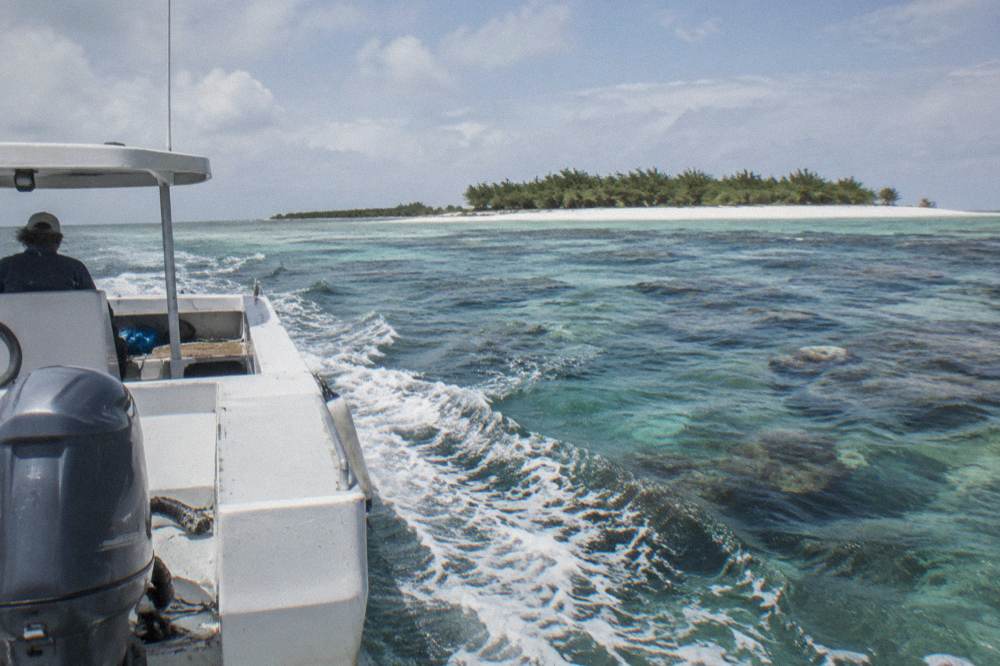
Every full-day reef passenger also contributes to the reef's management through the environmental management charge, A$8.50 per passenger for a full day, collected by the operator. Whether that charge sits inside or on top of a cruise price is a per-booking question; no tour page on this site states it either way, so ask the operator when you book.
Which Cruise Should You Match To Each Season?
Match the cruise to your season logic, not the reverse. The two Lady Musgrave cruises ($222 and $237) run 9 to 10 hours; the Dive Spear and Sport southern reef snorkel trip ($216) from 1770 is the small-group option at 10 guests; the Bundaberg departure is the only one not leaving from the 1770 marina. Prices are per person, from, USD.
In the dry winter months, June to September, a long day on the water is easy to justify: mean maximums of 21.5 to 24.4 °C and the year's lowest rainfall. That is natural territory for the 1770 Reef Eco Tours Lady Musgrave Island snorkelling day cruise, nine hours from the 1770 marina, from $222, rated 4.3 across 257 reviews, with lunch, snorkelling equipment, a glass-bottom boat tour and a guided island walk all listed among the inclusions.
In the warmer stinger-season months, November to May, gear becomes the differentiator. The Dive Spear and Sport snorkelling day trip from 1770, from $216 per person, 4.7 across 40 reviews, runs to a group maximum of 10 on a speedboat and includes a full length wetsuit in the gear list, two snorkelling sites, lunch and snacks. Hotel pickup is stated as not included on that trip, as it is on the 1770 Reef and Bundaberg cruises; plan to make your own way to the marina.
| Cruise | Departs | Duration | From (USD pp) | Rating | Stated group max |
|---|---|---|---|---|---|
| 1770 Reef Eco Tours Lady Musgrave snorkelling day cruise | 1770 marina | 9 hours | 222.00 | 4.3 across 257 reviews | Not stated |
| Dive Spear and Sport snorkelling day trip | 1770 marina | 9 hours | 216.00 | 4.7 across 40 reviews | 10 |
| Lady Musgrave Experience day cruise | Bundaberg Port Marina, Burnett Heads | 10 hours | 237.00 | 4.8 across 368 reviews | Not stated |
The Bundaberg departure earns its place in a winter plan if you are staying south of 1770: Bundaberg is 122.2 km or about 1 hr 25 min from Agnes Water by road, per the regional tourism body, while driving from Brisbane is 479.9 km or 5 hr 30 min. The Lady Musgrave Experience cruise from Bundaberg is the longest day at 10 hours, with a gourmet buffet lunch, premium snorkelling equipment, guided island walk, glass-bottom boat and warm freshwater showers listed. Its cancellation window is the outlier: up to 14 days in advance for a full refund, not 24 hours.
Scuba adds another layer, and a timing quirk worth knowing. There are two Dive Spear and Sport scuba booking pages, an eight-hour outer reef day tour from $315.37 with a group maximum of 14, and a nine-hour southern reef trip from $298 with a group maximum of 7. The two pages show different durations and group sizes; check both before booking, and note scuba is for certified divers. The 1770 scuba diving trip guide works through the detail.
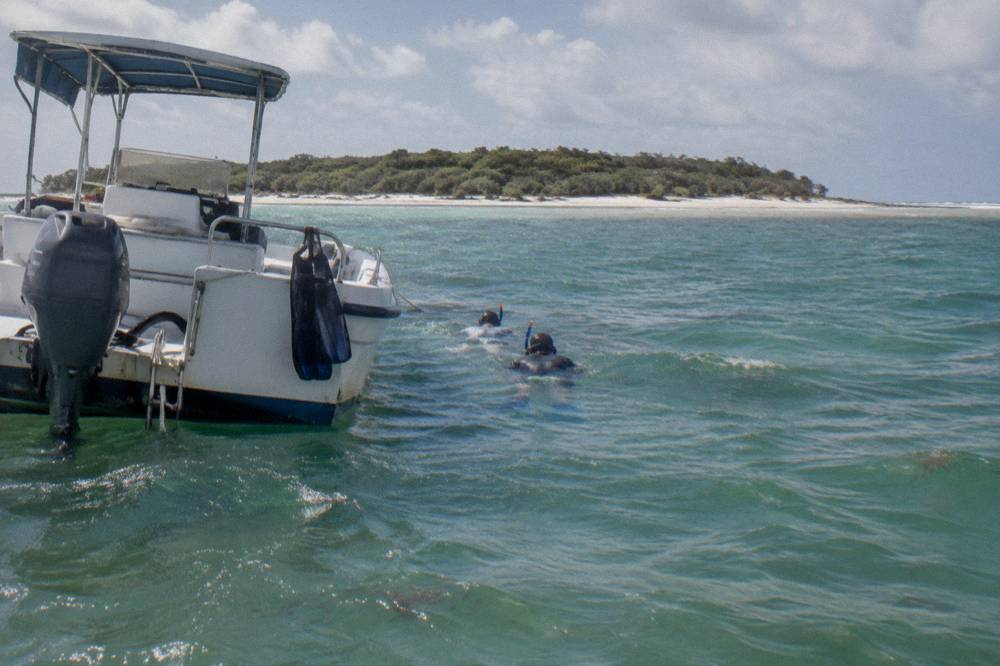
For a first taste of the water in any season, the LARC tours from 1770 are short and cheap: the one-hour Afternoon Cruise from $31.61, rated 4.8 across 228 reviews, and the two-hour Coastline Tour with picnic lunch from $61.11, rated 4.9 across 92 reviews. Neither leaves you short of a day if the weather turns, which is exactly the property you want in a shoulder-season itinerary.
Pulling the seasonal threads together, the planning table below maps each window of the year against the two official overlays. It repeats no numbers beyond what the month table above already shows; it converts them into booking decisions.
| Season window | Months | Higher stinger risk (QLD Govt) | Cyclone season (BoM) | Booking angle |
|---|---|---|---|---|
| Dry, mild | June to September | No | No | Lowest rain, mild days; book the 9 to 10 hour cruises |
| Build-up | October to November | Yes, from November | Yes, from 1 November | Warm and warming; check wetsuit inclusions before you go |
| Wet, warm | December to March | Yes | Yes | Warmest air temperatures; read the cancellation window closely and buffer a spare day |
| Taper | April to May | Yes, to end of May | Yes, to 30 April | Rain easing, nights cooling; good shoulder value with shorter LARC options as backup |
What Should You Pack For The Season You Choose?
Pack for the temperature band, then for the stinger advice. Winter days average 21.5 to 24.4 °C maximum with minimums near 14 °C, so a warm layer for the boat; summer means a rash shirt or lycra suit consideration from November to May, reef-safe sun protection year round, and seasickness remedies for the crossing (about 90 minutes each way on the 1770 Reef cruise). Check the gear list on your specific cruise before buying anything.
The temperature band at Seventeen Seventy is narrow: mean maximums never leave the 21.5 to 29.7 °C range across the whole year, and annual means are 26.0 °C maximum and 18.9 °C minimum. What changes month to month is rain and, in practical terms, how you cover up. In stinger season the Queensland Government suggestion of a full-body lycra suit is worth acting on, and remember the wetsuit positions differ by cruise: included on the Dive Spear and Sport snorkelling trip, rentable on the Bundaberg cruise, excluded on the 1770 Reef Eco Tours cruise.
Food planning follows the inclusions, not the season. Lunch is listed as included on seven of the eight cruise and tour pages on this site; the exception is the LARC Afternoon Cruise, which lists food and drinks under exclusions. On the full-day Paradise Tour, lunch is wraps prepared by the 1770 Marina Cafe with billy tea. If your day runs nine or ten hours, as both Lady Musgrave cruises do, the included meals matter more than any packing list.
The detailed breakdown lives in the what to bring on a Lady Musgrave cruise guide, and if you are still sorting arrival logistics, the how to get to 1770 for a cruise guide covers the drive distances, the closest airports at Gladstone and Bundaberg, and the bus stop at the AMPOL service station in Agnes Water.
Getting the timing right also means getting the booking right. Every cruise on 1770 Cruises shows its duration, departure point, price and cancellation terms side by side, so you can match a month's weather profile to a sailing you can still cancel if the forecast turns. If the 1770 Reef Eco Tours Lady Musgrave Island snorkelling day cruise fits your month, the tour page for the Lady Musgrave snorkelling day cruise from 1770 holds the current details.
Common Questions About The Best Time For A Lady Musgrave Island Cruise
When Is The Best Time For A Lady Musgrave Island Cruise?
There is no single best month. The driest period at Seventeen Seventy is June to September, with mean rainfall of 34.9 to 58.1 mm and mean maximums of 21.5 to 24.4 °C. Stinger risk is higher November to May and the cyclone season runs 1 November to 30 April, so weigh dryness against warmth and cancellation terms.
What Is The Weather Like At 1770 Month By Month?
Mean maximums range from 21.5 °C in July to 29.7 °C in January, mean minimums from 13.9 °C to 23.1 °C, and mean monthly rainfall from 40.2 mm in August to 172.6 mm in February, per the Bureau of Meteorology's Seventeen Seventy station.
Does Stinger Season Change A Lady Musgrave Cruise?
It changes your gear planning. Marine stingers are present in tropical Queensland waters year round with higher risk November to May, and the Queensland Government suggests considering a full-body lycra suit. Wetsuit provisions differ by cruise: included on the Dive Spear and Sport snorkelling trip, rentable on the Bundaberg cruise, excluded on the 1770 Reef Eco Tours cruise.
Do Cyclones Or Tides Affect When Cruises Sail?
The official cyclone season runs 1 November to 30 April, and Queensland Parks describes the island service as weather-dependent year round. Tides shape the day rather than the season. Free cancellation is stated on all cruises shown here, 24 hours ahead on most and 14 days on the Bundaberg departure.
Which Cruise Should You Match To Each Season?
The two Lady Musgrave island day cruises run $222 to $237 per person for 9 to 10 hour days, from the 1770 marina or Bundaberg Port Marina. The Dive Spear and Sport snorkelling trip caps groups at 10 and includes a wetsuit, suiting warmer months; the LARC short tours from $31.61 suit any season.