Is There Anything To Do In Agnes Water Besides A Reef Cruise Or LARC Tour?
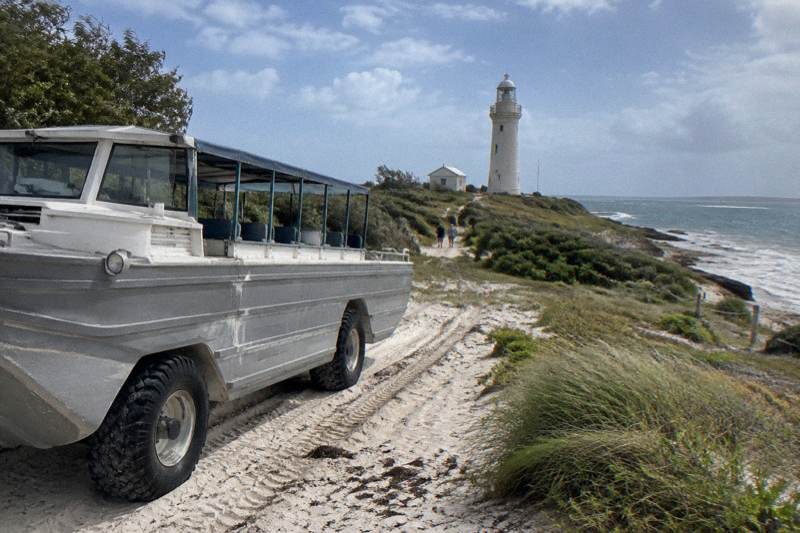
Agnes Water and the Town of 1770 are best known for boats: the LARC amphibious tours and the Lady Musgrave Island cruises. There is more to the pair of towns than a day on the water, from Cook landing history to a national park coastline and scuba trips to the outer reef.
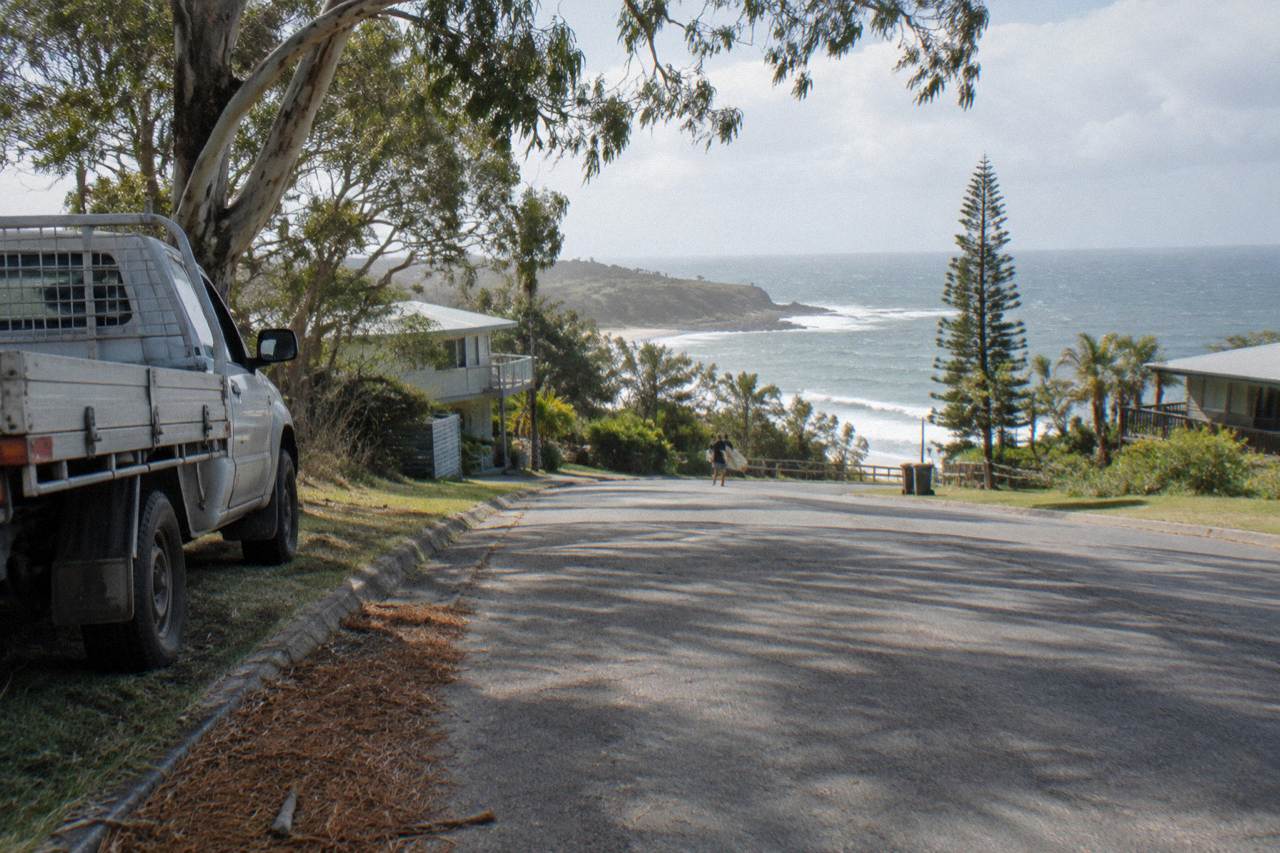
Yes, plenty. Agnes Water and the Town of 1770 sit on a coastline with a Cook landing site and 1926 cairn, the gazetted Eurimbula National Park, a visitor information centre at 71 Springs Road, and two Dive Spear and Sport scuba day trips to the southern Great Barrier Reef. Add drive trails, a train link at Miriam Vale and a dry winter season, and a boat-free itinerary fills fast. Better still, several of these stops cost nothing at all, and the roundup of free sights around Agnes Water shows how to string them into a full day.
The two towns function as one destination in the eyes of the regional tourism body, Visit Agnes 1770, which lists them together for distances, airports and bus services. That matters for planning, because the attractions that are not boats are spread across both: the marina and the Cook monuments sit in the Town of 1770, while the visitor information centre and most accommodation sit up the hill in Agnes Water. The distance between them is short, but it is a real hop if you arrive by bus, and knowing the split saves the confusion of looking for a monument in the wrong town. With the geography sorted, the guide to clothing and footwear for the amphibious LARC trip covers sandboarding, swimming stops and the subtropical climate in one place.
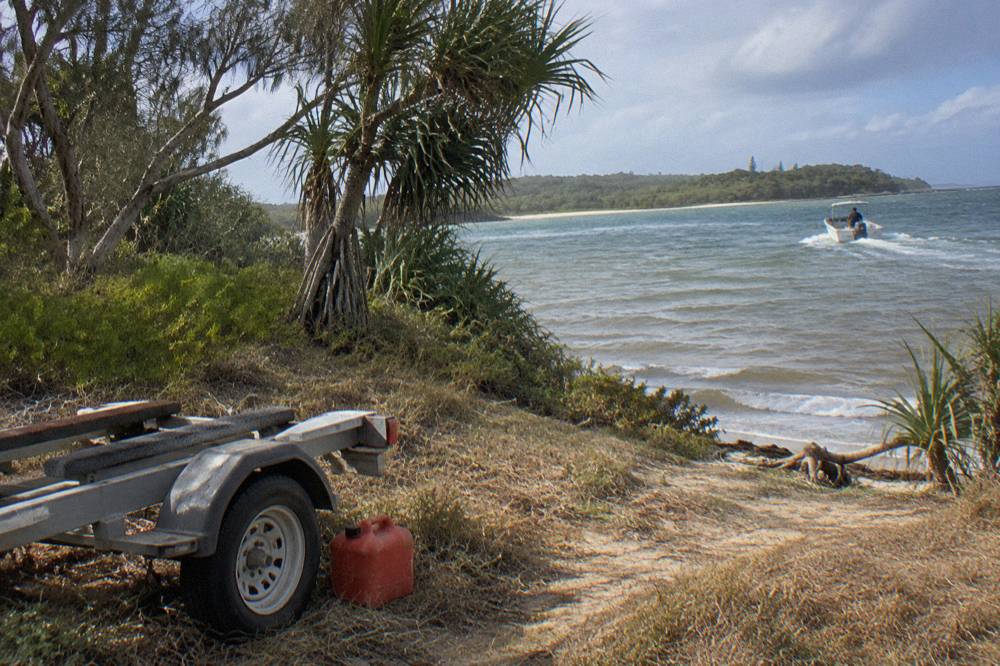
The water-based options on this site are worth knowing as a baseline before exploring the rest. There are three LARC amphibious tours, four reef cruises and dive trips from the 1770 marina, and one Lady Musgrave Island day cruise from Bundaberg Port Marina at Burnett Heads. Full detail on those sits in the guide to things to do in Agnes Water, and the cheapest of them all, the one hour Afternoon Cruise at from $31.61 per person, is an easy add-on rather than the whole day. Every one of the eight shown products carries a free cancellation policy, seven of them up to 24 hours before departure, so the boat days can be slotted around the land days without much risk.
Everything below is the rest: the history, the park, the diving, the climate and the logistics that make the towns work as a multi-day base rather than a launch pad.
What History Can You Explore Around The Town Of 1770?
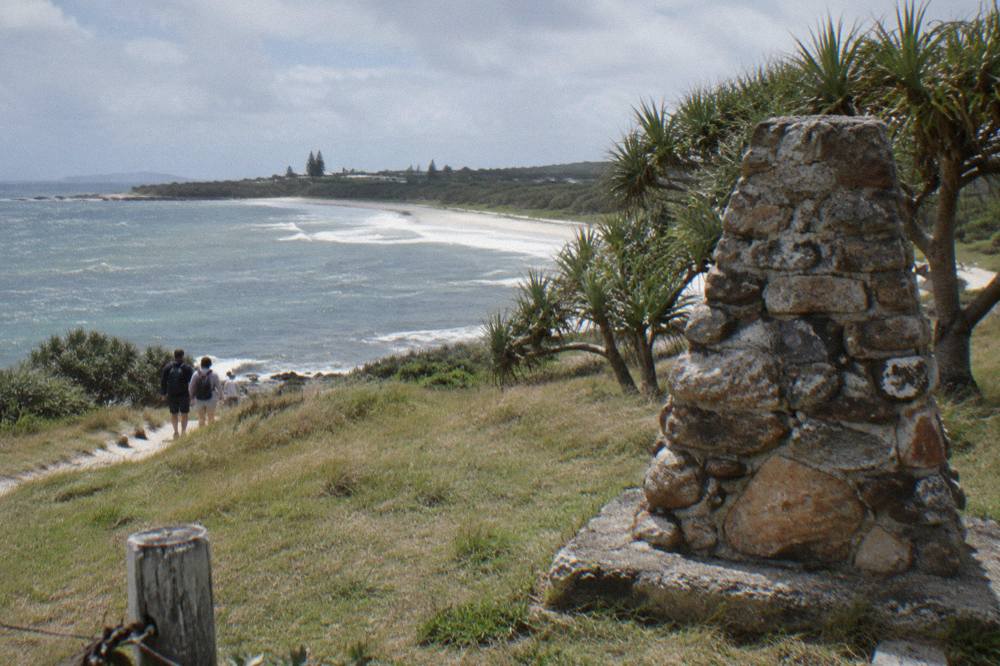
The Town of 1770 is named for Lieutenant James Cook's first landing in Queensland, in May 1770, and a rock cairn dedicated in 1926 stands where one of his crew carved the date on a tree. Bustard Bay, where the Endeavour anchored, takes its name from a bustard shot nearby, and Joseph Banks collected 33 plant species behind the beach.
Queensland Parks records the story on its Eurimbula National Park pages. Cook originally called the headland Round Hill, and the town was renamed Seventeen Seventy in honour of the landing. The inlet became Bustard Bay "after a bustard or plains turkey was shot in the vicinity", in the words of the parks service, and Banks's plant collecting behind the beach gave the visit its scientific record as well as its name. It is one of the more literal place-name origins on the Australian coast, and the parks service preserves the wording rather than smoothing it away.
The cairn is the tangible marker. Dedicated in 1926, it stands on the site where one of Cook's crew carved the date on a tree, and it gives the town a physical anchor for an event that predates any European settlement in the colony. The colony itself did not yet exist in 1770; Queensland separated decades later, which is why the parks service frames the landing as Cook's first in the territory that became Queensland. Standing at the cairn, the claim reads backwards through time: the carving, the dedication, and the modern town that took its name from the year of the visit.
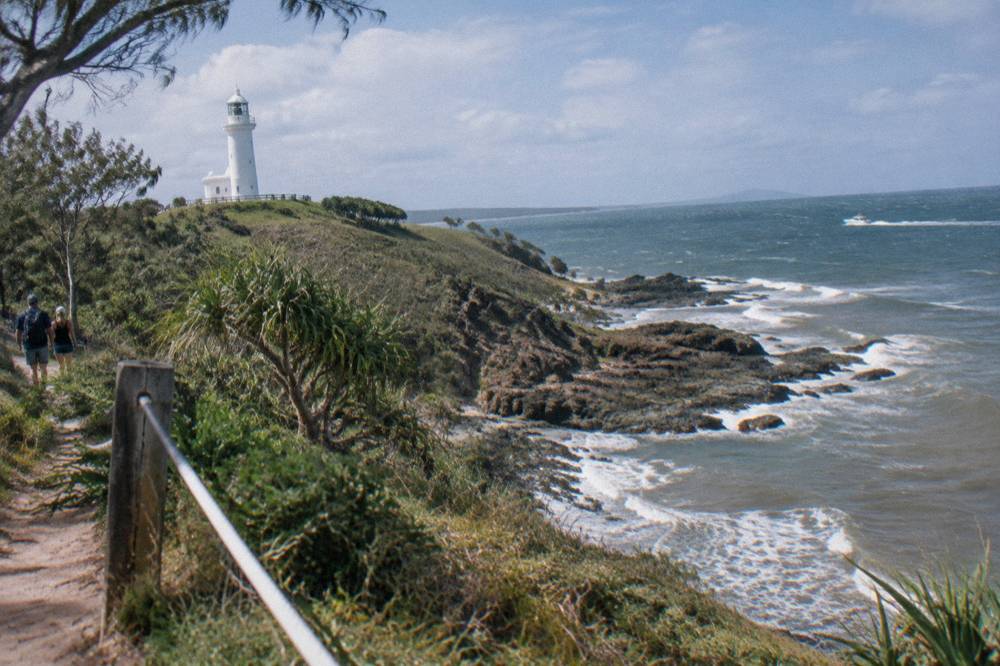
The same stretch of coast is part of Gooreng Gooreng Aboriginal people's traditional country, as the Eurimbula park pages note, and that history runs far deeper than any European date. For visitors who want the full story of the lightstation on the headland above, the guide to the Bustard Head lighthouse tour covers the 1868 tower, the 1932 cottage fire, the stairs moved inside the tower in 1935, the automation in the mid-1980s and the volunteer restoration that began with a lease in 2001. The lighthouse carries the nickname "the Lighthouse of Tragedy" on the operator's own page, and the keepers' cottage museum is guided by a volunteer caretaker when the tours run.
For trip planning, the Agnes Water/1770 Visitor Information Centre at 71 Springs Road, Agnes Water, is the walk-in resource for both towns. Queensland Parks lists it as the contact point for the region's park information, and it is the sensible first stop for maps, permit questions and seasonal advice before heading into Eurimbula or out onto the water.
What Is Eurimbula National Park And Can You Visit It?
Eurimbula National Park was gazetted in 1986 and protects more than 23,000 hectares of the coastline where Cook landed. It includes the beaches and headlands around Bustard Bay, and Queensland Parks states plainly that vehicles are not permitted on beaches in the park.
The park is the big green fact on the map behind the Town of 1770. Its nature and culture pages describe it as protecting the coastline of the first landing, with Jenny Lind Creek and the tidal inlets that the LARC tours cross along its edge. Rodds Peninsula and Bustard Beach sit within it, and Queensland Parks notes that from mid-November to February these mainland beaches become nesting sites for loggerhead, flatback and green turtles, with hatchlings leaving the nests from mid-January until late March.
That turtle season is a mainland, after-dark phenomenon, not a tour product. The nesting facts come from Queensland Government turtle biology pages, which describe the Capricorn and Bunker groups of islands as one of the world's major breeding areas for green and loggerhead turtles, while naming North West, Hoskyn and Wreck Islands as the key green turtle nesting areas. Lady Musgrave Island is not named among them, which is worth knowing before anyone books a cruise expecting a nesting show.
Biosecurity rules apply to anyone heading into the park or onto the cays: Queensland Parks asks visitors to remove soil and seeds from gear before visiting, and reminds that all plants in national parks are protected. Fish scraps should be disposed of responsibly. These are small asks that keep the cay forests and the mainland scrub intact, and they apply to campers and day visitors alike. The full boat-based way to see the Eurimbula edge, four tidal creeks and the Middle Island dunes is the LARC Paradise Tour, covered in the guide to 1770 LARC! Tours.
Can You Go Scuba Diving Or Snorkelling From Agnes Water?
Yes, and it is the water option most visitors miss. Dive Spear and Sport runs a snorkelling day trip from the 1770 marina from $216 per person for a group of up to 10, plus two scuba trips to the reef from $298 and $315.37, all with lunch included and certified divers only on the scuba trips.
The snorkelling day trip runs nine hours, carries up to 10 guests on a speedboat, visits two different snorkelling sites, and includes a full length wetsuit along with the rest of the gear, lunch and snacks. It is rated 4.7 across 40 reviews, a count worth reading as what it is: a small operation with a modest review pool, not a mass-market cruise. Hotel pickup is stated as not included, so getting to the 1770 marina is on you. The small group size is the practical appeal; ten snorkellers across two sites is a different day out to a catamaran carrying a full day-load of guests.
The scuba side has two pages, one an eight-hour outer reef day tour listed at from $315.37 with a group maximum of 14, the other a nine-hour southern reef trip at from $298 with a group maximum of 7 on a speedboat. The durations and group sizes differ between the pages, and there are two of them, so the practical advice is to check both before booking. Both include lunch and scuba equipment, and both are limited to certified divers, so an introductory dive is not what these pages sell.
For snorkellers who want the island as well as the reef, the Lady Musgrave options are the alternative: a full comparison sits in the guide to snorkelling trips from Agnes Water. The Reef Authority's zoning rules frame all of it: the Marine National Park (Green) Zone is a no-take area covering about 33 per cent of the Marine Park, and anyone can swim, snorkel and sail in it, while fishing and collecting are prohibited without a permit. Around Lady Musgrave Island specifically, the Reef Authority's site management rules add a go-slow area from mean high water to 500 metres around the island, a designated cay access channel and vessel loading area, and a no-anchoring zone marked by reef protection markers, all of which shape how the boats behave once they arrive.
Every full day on the water also carries an environmental management charge, the official name, of A$8.50 per passenger for trips of three hours or more, A$4.25 for part day, collected by the operator. Whether it sits inside a displayed price is a per-booking question, so check with the operator. There is also a general Queensland Parks note worth carrying on any reef day: sharks are present at all times of the year in open ocean, and the standard SharkSmart advice applies.
When Is The Best Time To Visit Agnes Water?
The driest months are June to September, when mean rainfall drops to between 34.9 and 58.1 millimetres and mean maximums sit in the low twenties, according to the Bureau of Meteorology's Seventeen Seventy station. Summer is wetter and hotter, with mean maximums near 29.7 in January, and the official cyclone season runs 1 November to 30 April.
The climate record, 38 years of temperature data from the BoM station at Seventeen Seventy, gives the year its shape. Winter days average 21.5 to 22.4 degrees maximum from June to August, with nights around 14 degrees, which is walking weather for the headland and the park. Summer nights stay warm, 23.1 mean minimum in January, and the wettest months are December to March, with February the peak at 172.6 millimetres mean rainfall. For a trip built around land activities rather than boats, that spread matters more than any single figure: the dry winter is the comfortable season for long walks, while the summer wet pairs with the turtle nesting window on the mainland beaches.
| Month | Mean max (C) | Mean min (C) | Mean rainfall (mm) |
|---|---|---|---|
| January | 29.7 | 23.1 | 149.5 |
| February | 29.4 | 22.7 | 172.6 |
| March | 28.5 | 21.7 | 149.8 |
| June | 22.1 | 14.7 | 58.1 |
| July | 21.5 | 13.9 | 44.9 |
| August | 22.4 | 14.7 | 40.2 |
| September | 24.4 | 17.2 | 34.9 |
| December | 29.0 | 22.3 | 129.2 |
The cyclone season is an official BoM definition for the whole Australian region, not a local forecast, and the stinger advice from the Queensland Government is similarly general: marine stingers are present in tropical Queensland waters all year, risk is higher from November to May, and the advice is to swim at patrolled beaches and consider a full-body lycra suit. The government page does not address Agnes Water specifically, so treat it as the general precaution it is. The Dive Spear and Sport snorkelling trip includes a full length wetsuit in its gear, which fits the same precaution.
Reef condition, for divers weighing the trip, is tracked region-wide by AIMS: Southern Great Barrier Reef average hard coral cover was 26.4 percent in 2026, relatively stable against 26.9 percent in 2025 and below the long-term average of 29.3 percent, from 121 reefs surveyed between August 2025 and June 2026. That is a region-wide figure, not a Lady Musgrave-specific one, and the guide to the best time for a Lady Musgrave cruise works through the season question for the boat side.
How Do You Get To Agnes Water And The Town Of 1770?
Agnes Water sits 479.9 km or 5 hr 30 min from Brisbane by road, 122.2 km from Bundaberg and 123.8 km from Gladstone, with the closest airports at Gladstone and Bundaberg, most flights via Brisbane. The closest train station is Miriam Vale, 54.7 km away, and Greyhound buses stop at the AMPOL service station in Agnes Water.
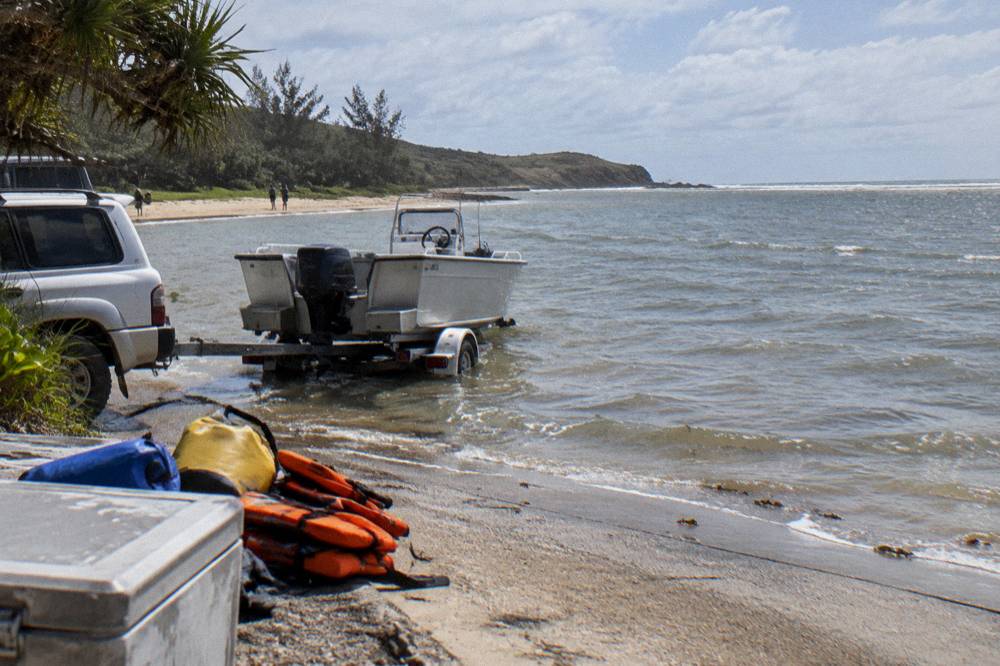
Those distances come from Visit Agnes 1770, the regional tourism body, which treats the two towns as one destination. Rockhampton is a fourth option at 224.9 km or 2 hr 33 min for anyone coming from the north. The bus stop detail matters: the drop off and pick up point is the AMPOL service station on the corner of Round Hill Road and Captain Cook Drive in Agnes Water, not the marina in the Town of 1770, so allow for the hop between the two. A local taxi and shuttle service operates, and hire cars are available through Budget via the tourism body's page.
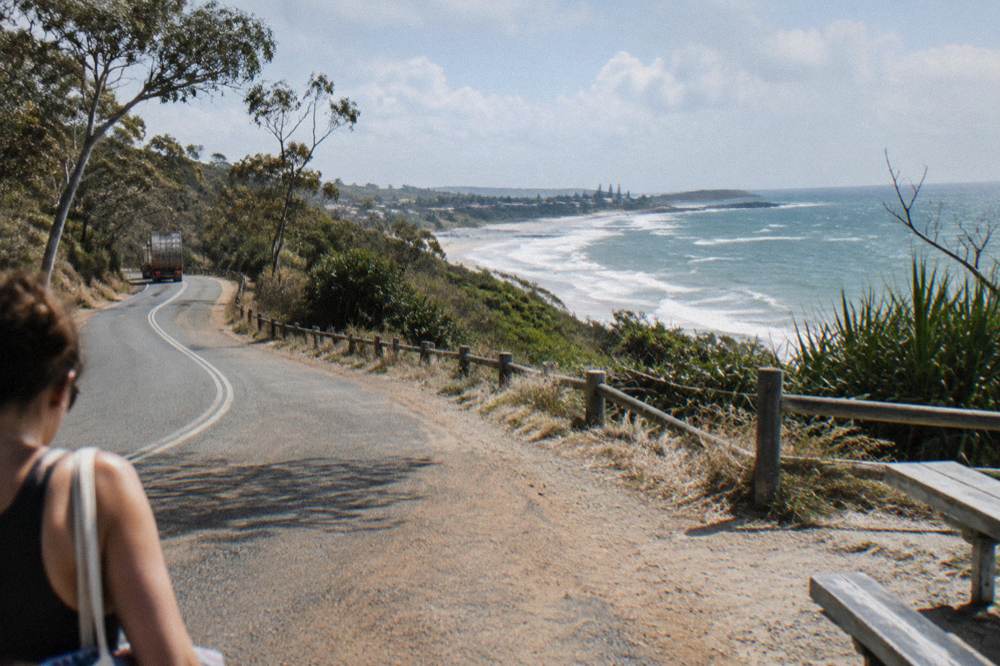
For anyone connecting the towns to the reef, Queensland Parks notes that the nearest departure points for Lady Musgrave Island are Bundaberg and Seventeen Seventy, and Tourism and Events Queensland calls 1770 the closest mainland departure point for the island's day tours, with vessels leaving from the 1770 Marina. The island sits around 60 km offshore by that account, while Queensland Parks measures the camping area at 59 km east-north-east of Seventeen Seventy and 96 km north-east of Bundaberg, a reminder that the two ports approach the cay from different distances and directions.
The one Bundaberg cruise is a different port entirely: the Lady Musgrave Experience day cruise departs Bundaberg Port Marina at Burnett Heads, 10 hours, from $237 per person, rated 4.8 across 368 reviews, with free cancellation up to 14 days ahead rather than the 24 hours common on the 1770 departures. The two Lady Musgrave day cruises across both ports run from $222 to $237 per person, so the port choice is more about where you are staying than about the fare.
What Does A Full Stay In Agnes Water Look Like?
A workable boat-light week pairs one full day on the water with the cairn and headland walks, a Eurimbula coastline day, the visitor centre for park maps, turtle season on the mainland beaches after dark from mid-November to February, and a scuba or snorkelling day trip if you are certified. Free cancellation up to 24 hours applies on seven of the eight boat products, so weather calls stay cheap.
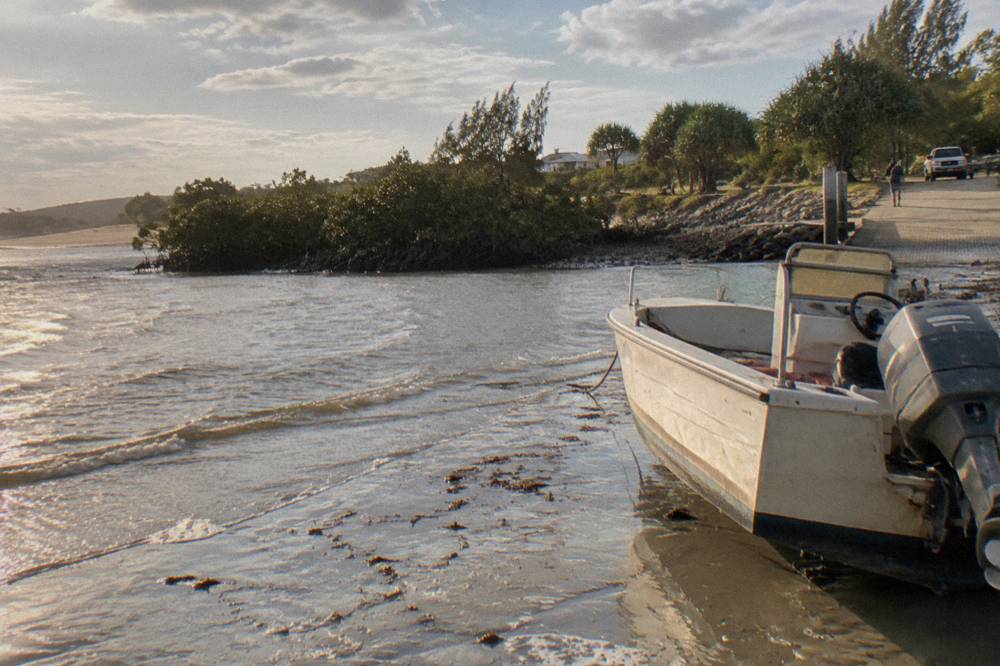
The mix works because the towns are small and the attractions are close. The 1770 LARC! Tours one-hour Afternoon Cruise, from $31.61, rated 4.8 across 228 reviews, fills a late afternoon around Bustard Bay and Round Hill Creek without consuming a day, which is exactly the shape of a rest-day activity. The full-day Paradise Tour, from $118, rated 5.0 across 615 reviews, is the most reviewed product in the region and the one that reaches the lighthouse, the sandboarding dunes and lunch, but it is a seven-hour commitment with a group of up to 29 on board. Between the two sits the two-hour Coastline Tour with picnic lunch at from $61.11, rated 4.9 across 92 reviews.
For the rest of the time, the planning anchor is the coastline itself. 1770 Cruises covers the boats in depth across its guides, but the land side, the cairn, the park, the beaches and the headland, costs nothing beyond a pair of walking shoes. If the days run long, the guide to free things to do around a 1770 cruise and the post on getting to 1770 for a cruise fill the gaps.
One further reference for campers: Lady Musgrave Island itself takes camping permits, bookable up to nine months ahead with seasonal closures enforced, and the permits go on release on set days, so Queensland Parks is the place to watch if a night on the cay is the goal. Camping is in designated areas only with a permit tag displayed at the campsite, fires are prohibited and gas stoves allowed, and no rangers live on the cays. Day use on Lady Musgrave is open all year. The comparison between a day cruise and a camping stay is worked through in the guide to cruising or camping at Lady Musgrave.
Common Questions About Things To Do In Agnes Water
Is There Anything To Do In Agnes Water Besides A Reef Cruise Or LARC Tour?
Yes. The Cook landing history and 1926 cairn, Eurimbula National Park's 23,000 hectares of coastline, mainland turtle nesting beaches after dark in season, scuba day trips to the southern reef, and the visitor information centre at 71 Springs Road all sit outside the cruise and LARC products.
Can You Visit Eurimbula National Park Without A Tour?
Yes, the park is accessible to visitors, though Queensland Parks states that vehicles are not permitted on beaches within it. Biosecurity rules ask visitors to remove soil and seeds from gear before arrival.
Can You Scuba Dive From Agnes Water?
Yes. Dive Spear and Sport lists two scuba day trips from the 1770 marina, an eight-hour outer reef trip from $315.37 and a nine-hour southern reef trip from $298, both with lunch included and restricted to certified divers. Check both pages before booking, as durations and group sizes differ.
When Do Turtles Nest Near Agnes Water?
Queensland Government advice notes that turtles nest on south Queensland beaches from December to February. Nesting happens at night on mainland beaches like Eurimbula, so sightings are never something a tour can promise. Nesting turtles are best seen after dark, per the Queensland Government.
How Far Is Agnes Water From Brisbane?
Visit Agnes 1770 gives the drive as 479.9 km or 5 hr 30 min from Brisbane. Bundaberg is 122.2 km or 1 hr 25 min, Gladstone 123.8 km or 1 hr 30 min, and the closest airports are Gladstone and Bundaberg, with most flights operating via Brisbane.
Is There A Visitor Information Centre At Agnes Water?
Yes, the Agnes Water/1770 Visitor Information Centre is at 71 Springs Road, Agnes Water QLD 4677, listed by Queensland Parks as the region's park information contact point.